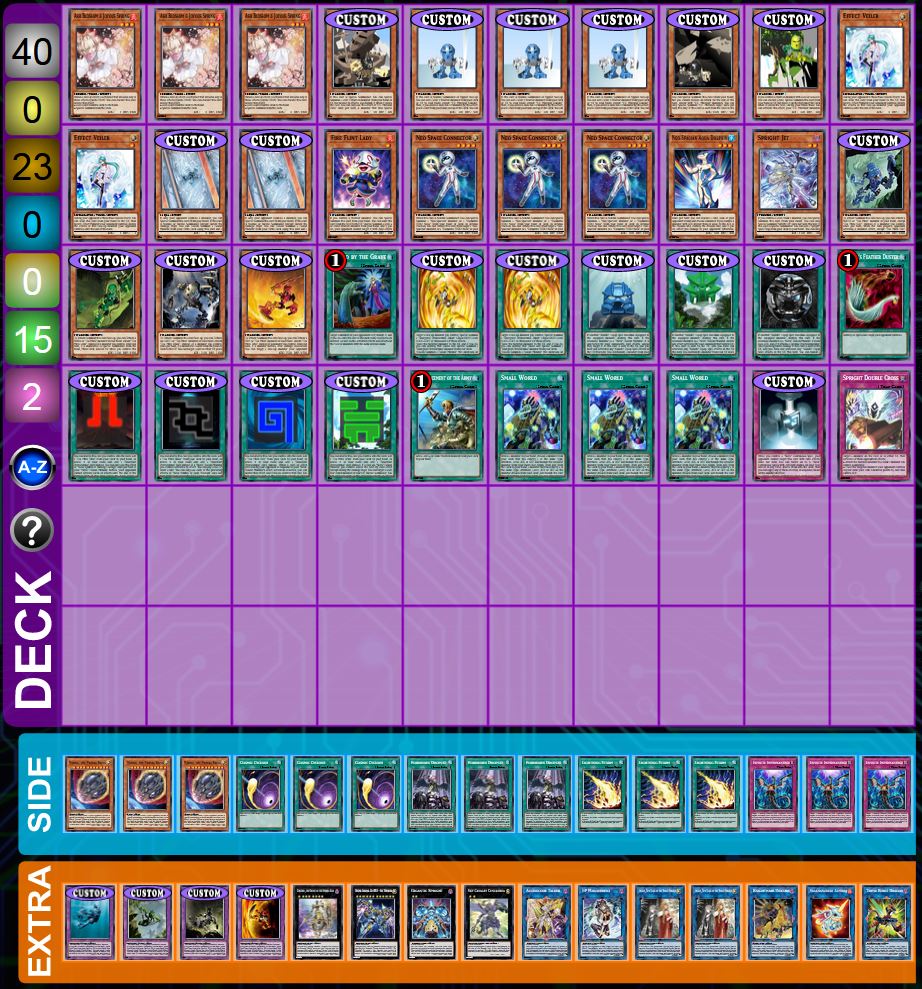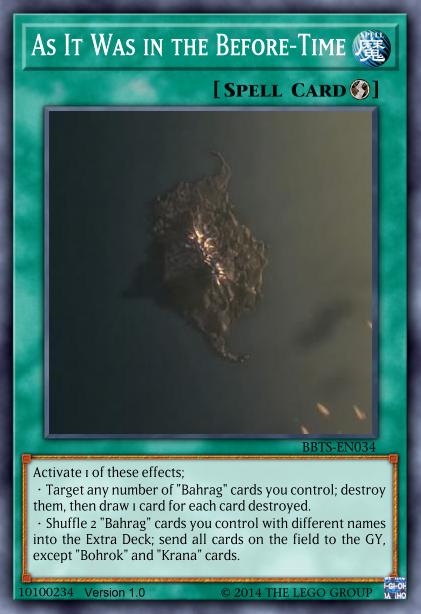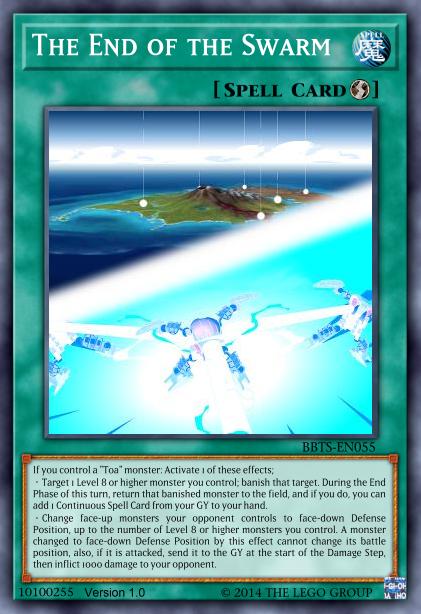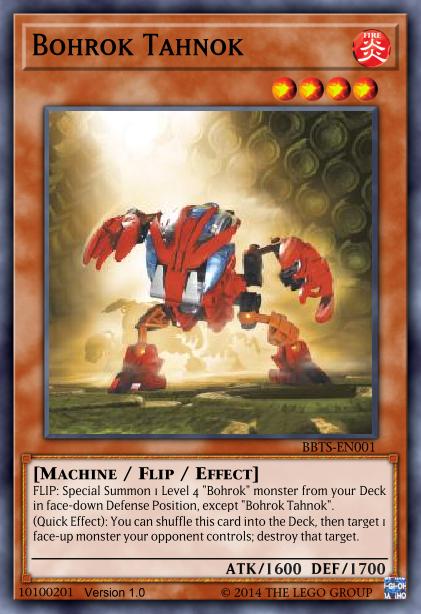
Damn, is it that time already?
Install via EDOPro Configuration
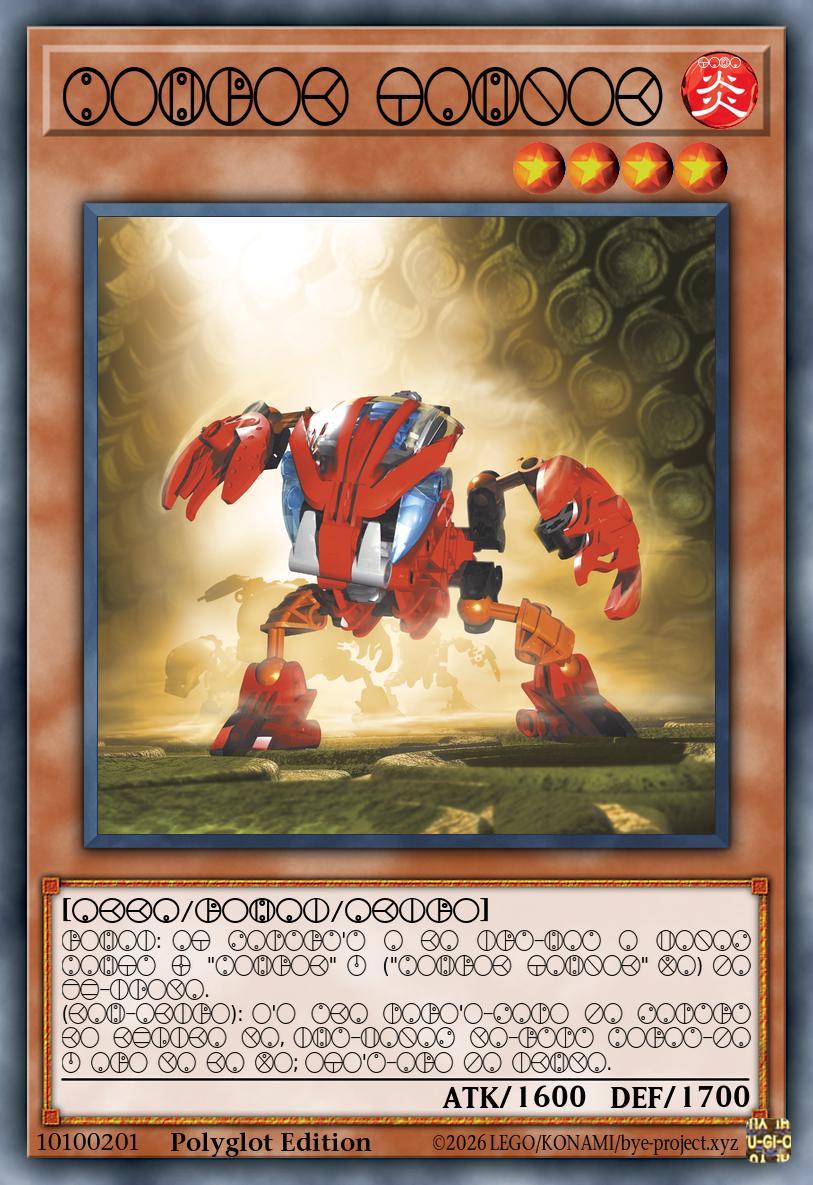
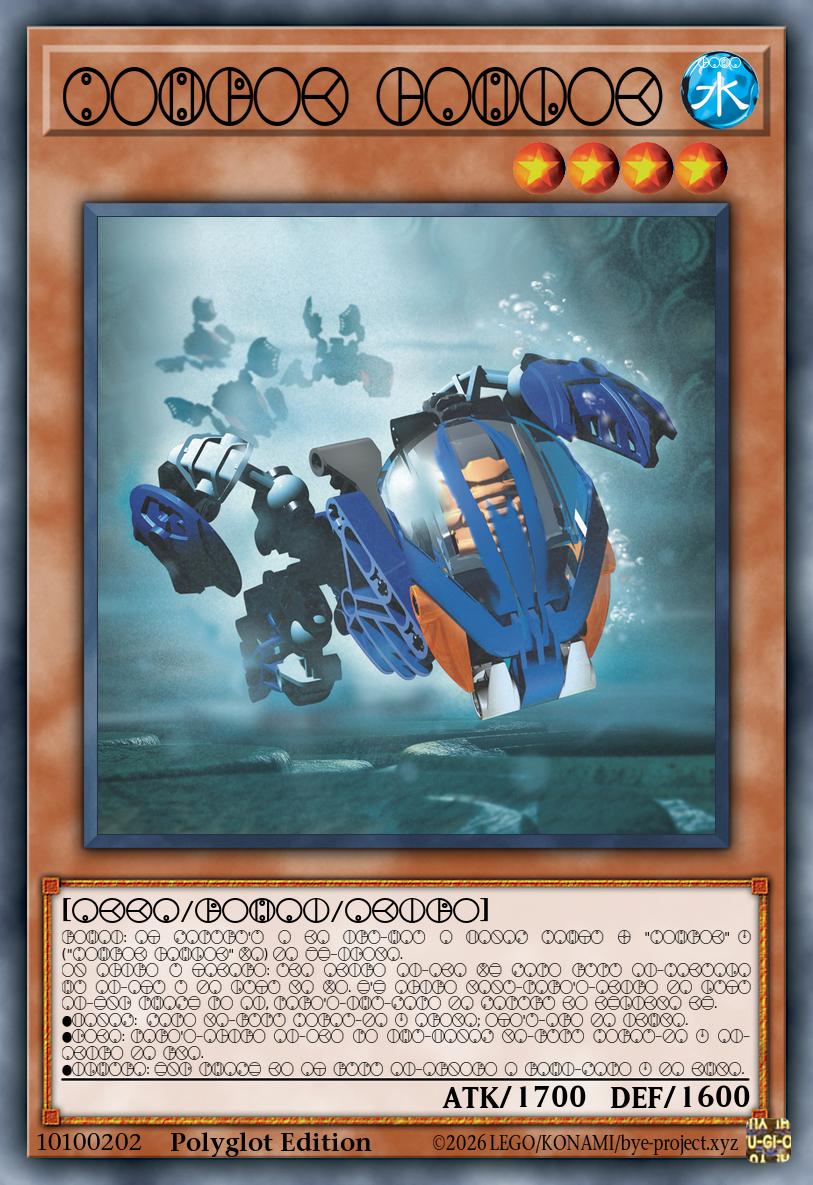
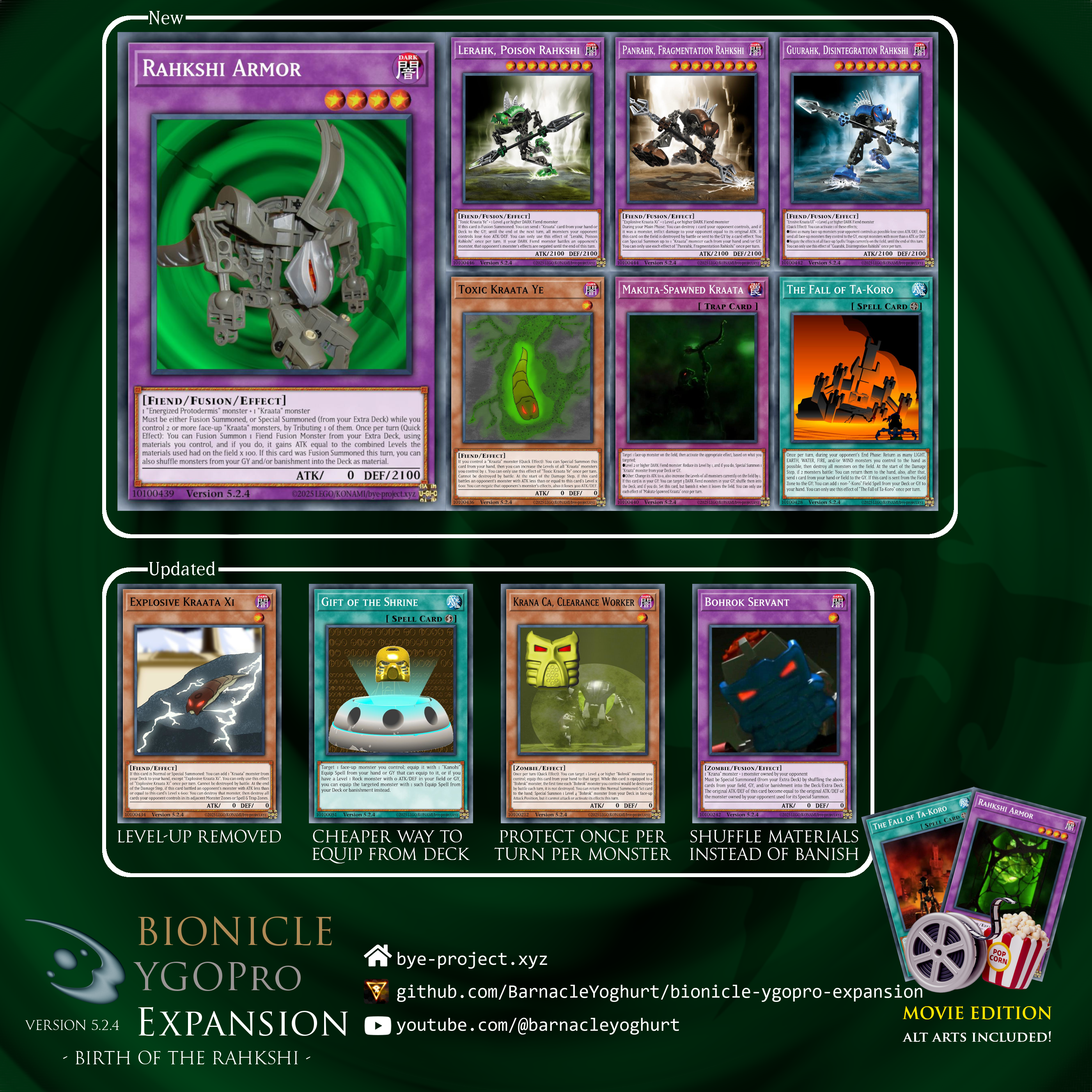
Well, after a busy few months (partially real life obligations, partially getting too ambitious with the April Fools’ joke, you know how it goes), the time has come to properly release those who should never see the light of day. The Rahkshi add a set of boss monsters to the tiny core of the Kraata archetype that was available before, taking it from a Fiendslop engine with a severe lack of damage output to a more elaborate Fusion Fiendslop deck with some decent beaters up its sleeve. See right here how it works:

I was still testing and making changes to these until a few days ago due to the aforementioned business of existence in general, so forgive me if there’s some more poorly considered ideas in here than usual.
New Cards
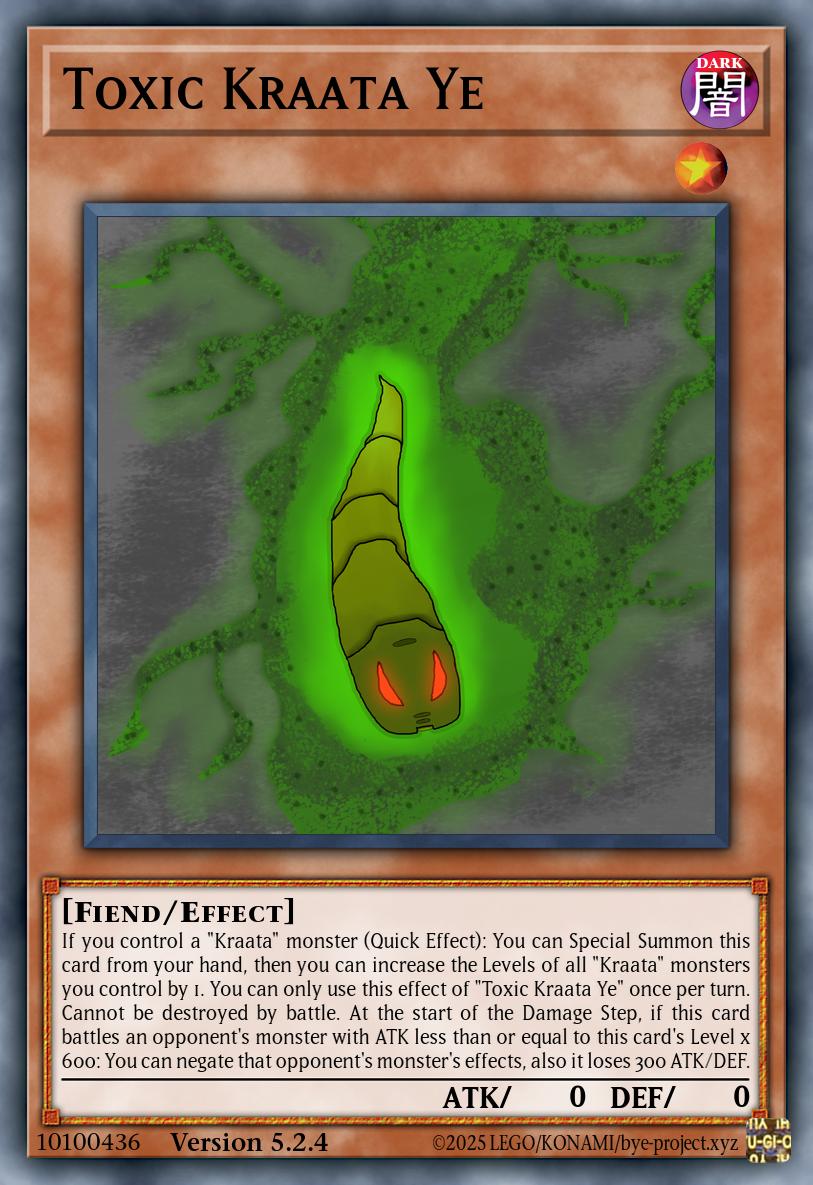
Toxic Kraata Ye
Effect MonsterLevel 1 | DARK Fiend | ATK 0 / DEF 0If you control a “Kraata” monster (Quick Effect): You can Special Summon this card from your hand, then you can increase the Levels of all “Kraata” monsters you control by 1. You can only use this effect of “Toxic Kraata Ye” once per turn. Cannot be destroyed by battle. At the start of the Damage Step, if this card battles an opponent’s monster with ATK less than or equal to this card’s Level x 600: You can negate that opponent’s monster’s effects, also it loses 300 ATK/DEF.
Before we get to the bosses, there’s one more Kraata to complete the first group Makuta sent to hunt the Mask of Light: The Kraata Ye with its power of Poison. Being afflicted by it through contact (battle) puts monsters into a persistent state of having their effects negated and losing just a tiny bit of ATK/DEF, leaving them useless and defenseless against other Kraata. Initially I wanted this to be a non-activated negate kind of like Scareclaw Kashtira, but realized after some rulings study that doesn’t really vibe with a permanent negate and functions rather weirdly even for a temporary one. So instead, it’s activated and comes with a -300 mostly so there’s some concept of intensifying the poison through repeated use. In theory, anyway.
Utility-wise, this is just an extra body that, unlike Xi and Ul, doesn’t get you more cards, but can be summoned as a quick effect and provides a Level boost, so it can serve as a decent Battle Phase surprise if you’re doing Kraata things.
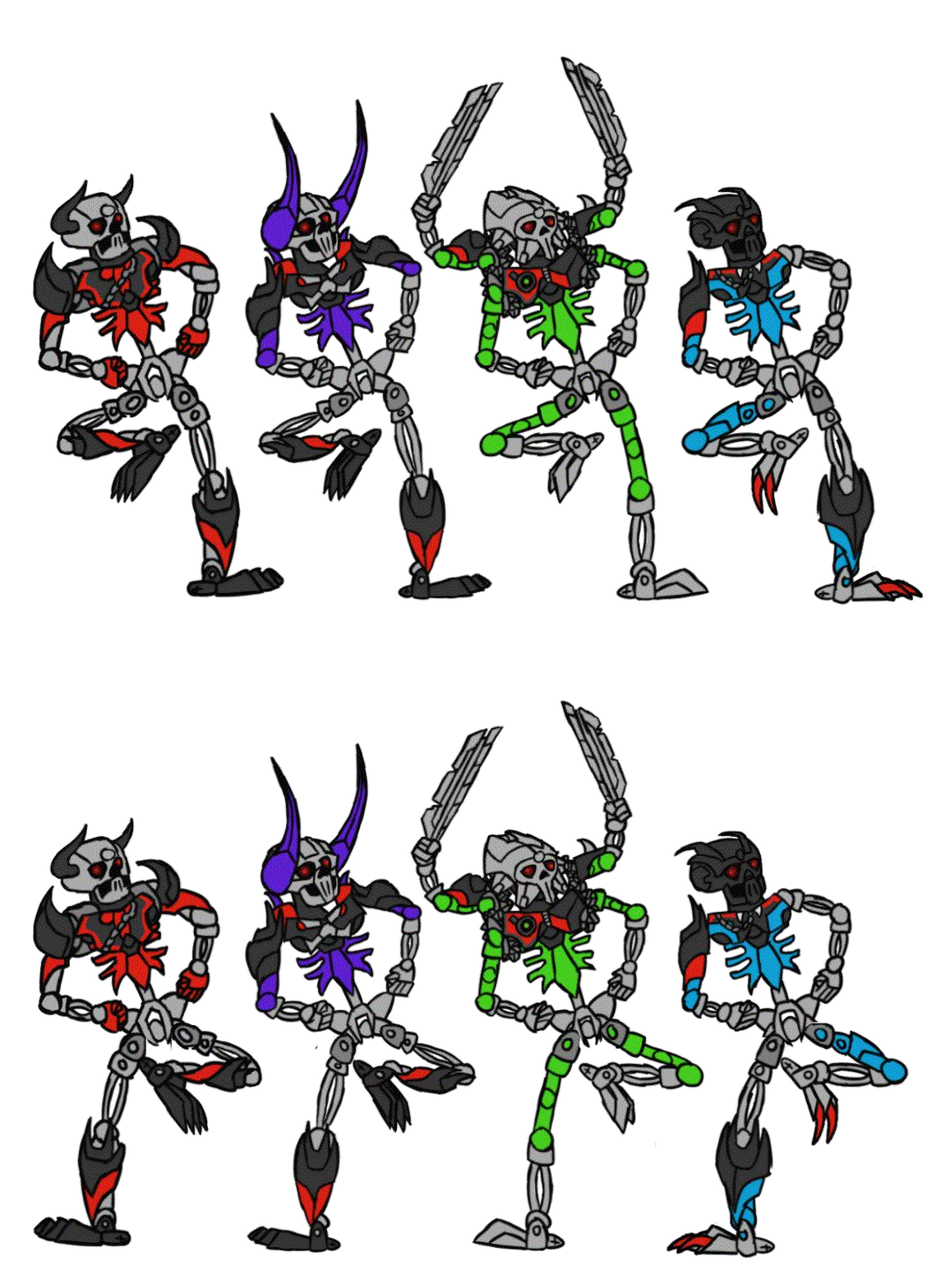
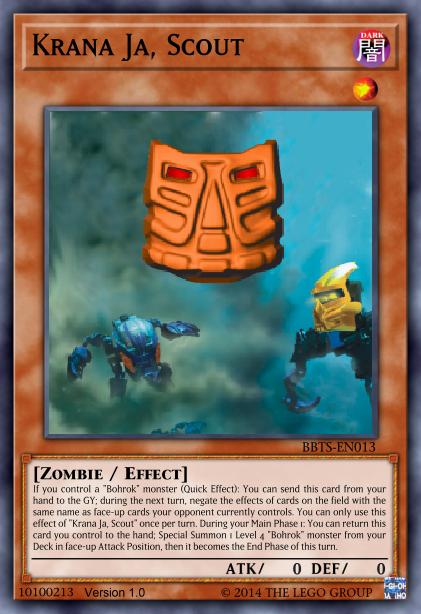
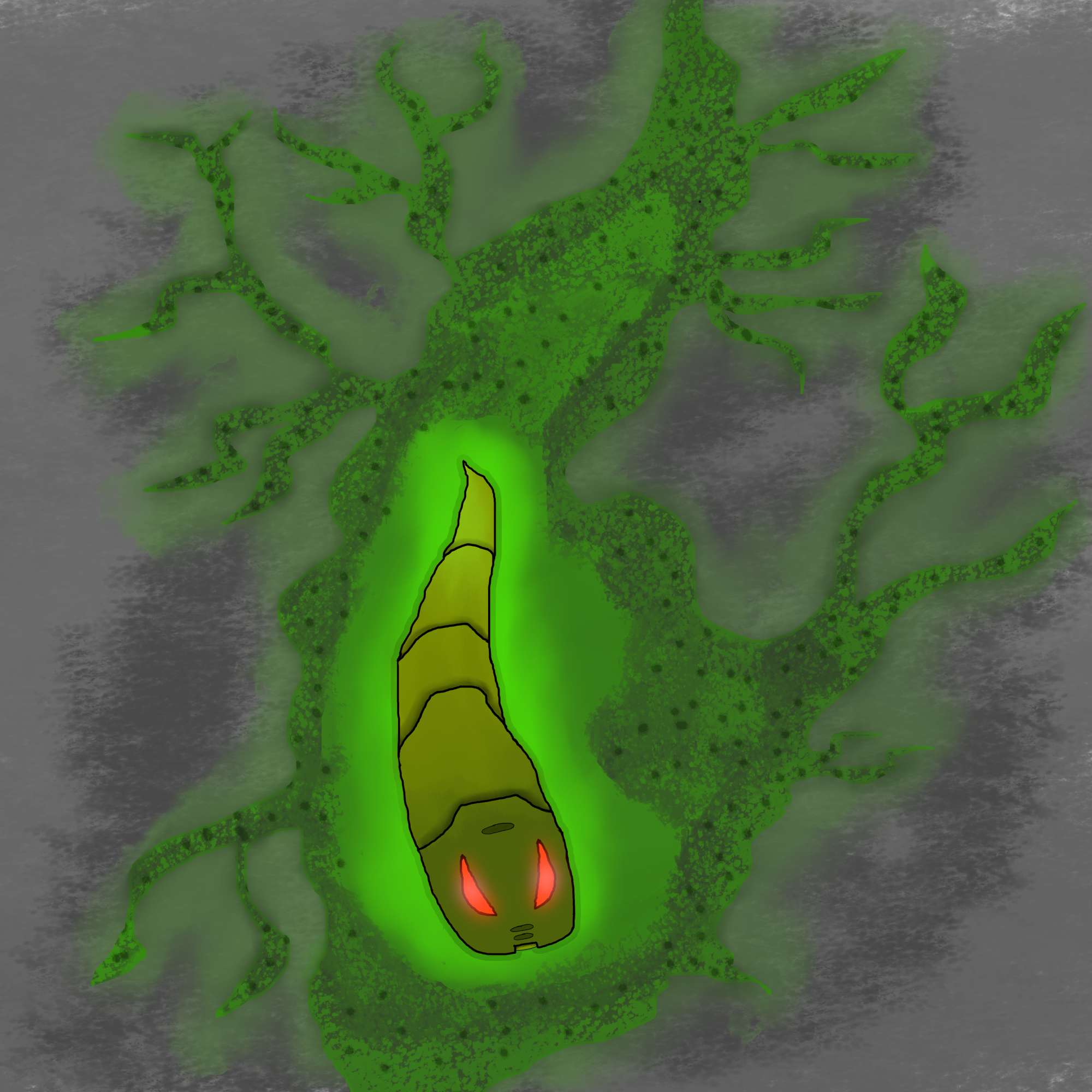
As with the previous evil noodles, the lack of cool images for individual Kraata has once again forced me to leave my comfort zone and draw a thing. I stared at MoL scenes way too long trying to discern the color distribution on the poison, so you better appreciate it.
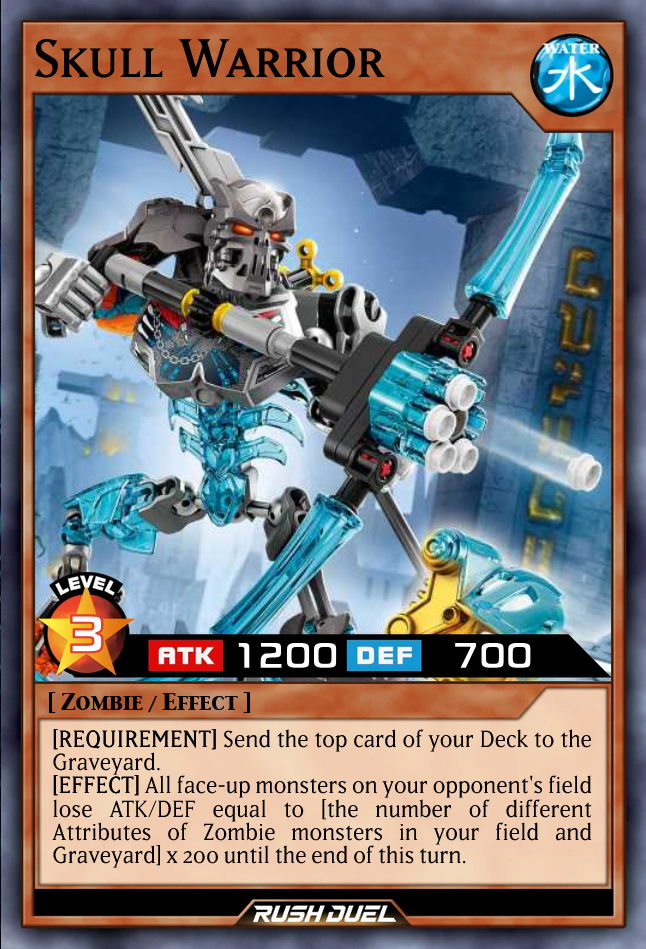
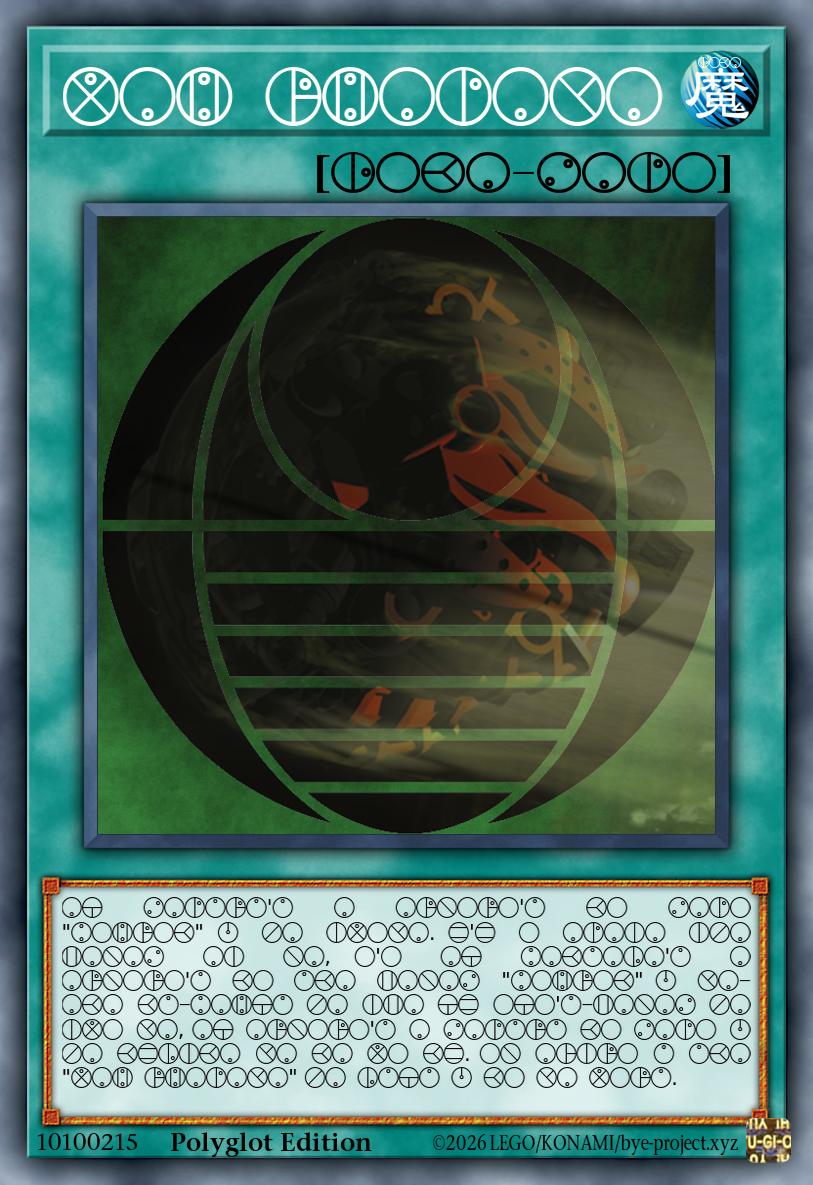
A different type of artistic (or some word like that) activity was required to procure a visual for what this update allows you to do beyond the so-called Kraata things. By making use of all the gray and silver-ish Rahkshi pieces that thankfully exist, I constructed what I imagine to be the look of an unpopulated Rahkshi Armor awaiting a Kraata to give it life, powers, and more specific features.
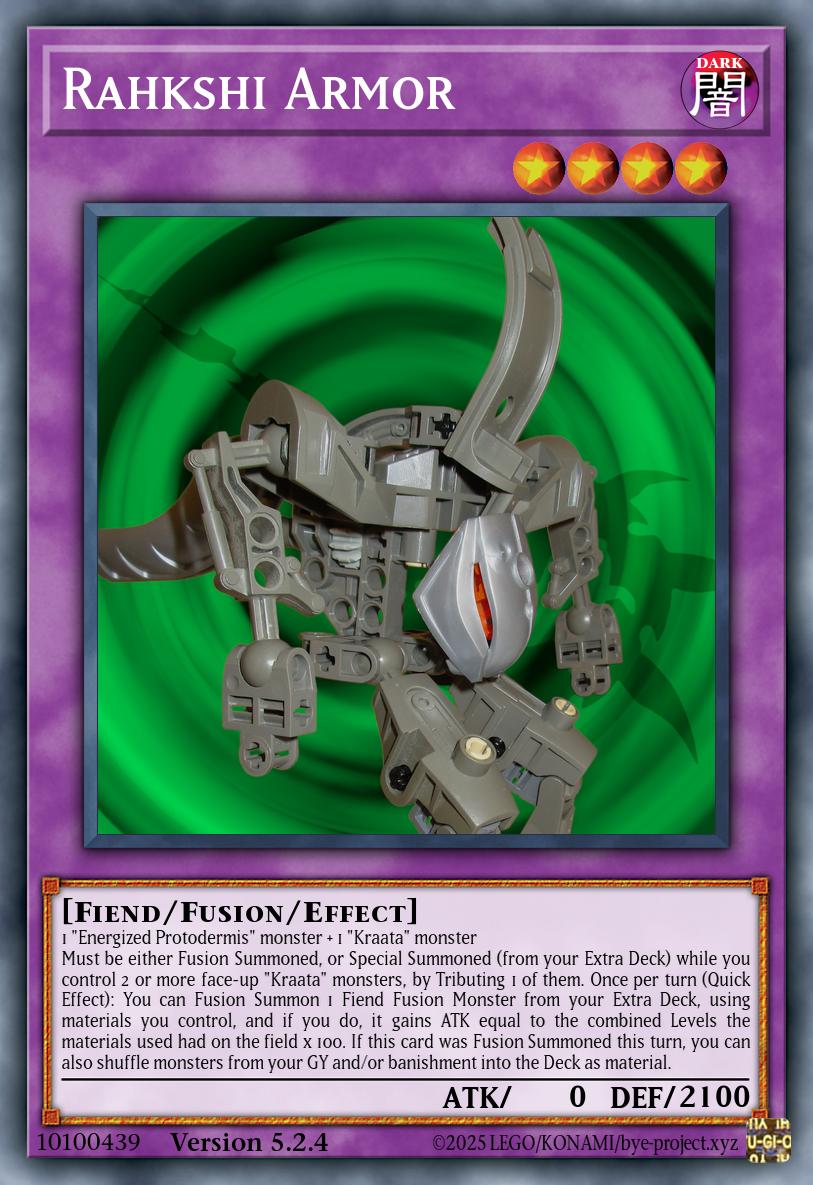
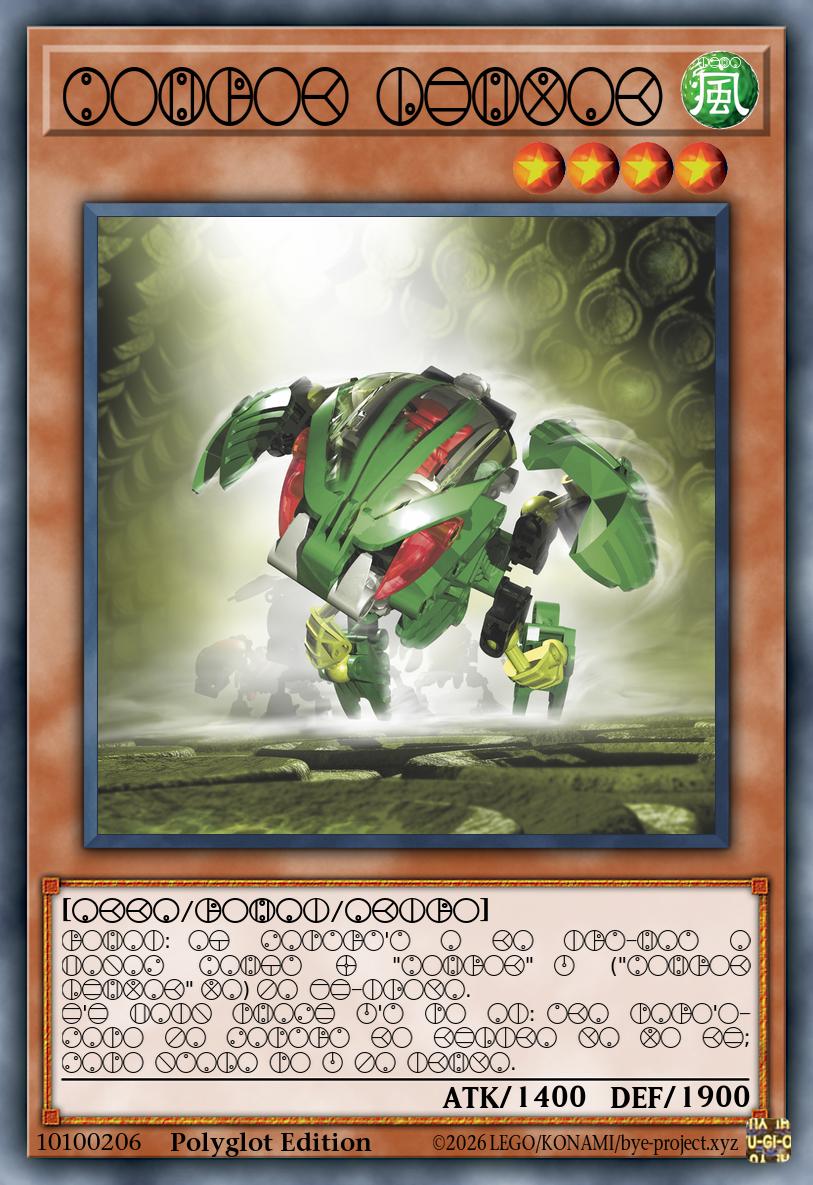
Rahkshi Armor
Fusion Effect MonsterLevel 4 | DARK Fiend | ATK 0 / DEF 21001 “Energized Protodermis” monster + 1 “Kraata” monster
Must be either Fusion Summoned, or Special Summoned (from your Extra Deck) while you control 2 or more face-up “Kraata” monsters, by Tributing 1 of them. Once per turn (Quick Effect): You can Fusion Summon 1 Fiend Fusion Monster from your Extra Deck, using materials you control, and if you do, it gains ATK equal to the combined Levels the materials used had on the field x 100. If this card was Fusion Summoned this turn, you can also shuffle monsters from your GY and/or banishment into the Deck as material.
Canonically, the armor is created by exposing a Kraata to Energized Protodermis, which obligated this to be a Fusion Monster, but the DARK Fiend Kraata don’t exactly have strong LIGHT Aqua synergy (though I did specifically engineer the Kraata Ul lock to let the Token from EP Destiny through!), so it also has a pseudo-Link-1 alternate summoning condition that you simply achieve through the process of spamming Kraata, as they are wont to do. This way, you have consistent access to this card, which simply serves as the “Fusion Spell” that turns your little worms into their more powerful forms – how powerful depends on the Level of the materials, keeping the stage gimmick relevant.
In order to not make the listed fusion materials entirely decorative, I also decided to give its effect a boost if it was actually Fusion Summoned properly. At the very start, this was just using materials from the hand as well, after realizing that doesn’t particularly justify the extra investment (of at least 1 Destiny) it switched to using 1 material from GY/banishment instead, so you can use the same Kraata that became the Armor as Rahkshi material, and in a last-minute change aiming to offer counterplay to removal effects (particularly Nibiru), the number of those materials was uncapped in exchange for only being able to do it on the same turn. If you carefully consider the stated goal of this last adjustment, you may notice it doesn’t actually fucking work, because “this card” no longer refers to a Fusion Summoned monster at resolution if it gets removed!
Bit of a blunder on my part there, but I’m leaving it in for now in case some insightful feedback gives me a great idea how to handle this. So far, the obvious fix seems to be “If you controlled this card Fusion Summoned this turn when this effect was activated”, but that is quite wordy …
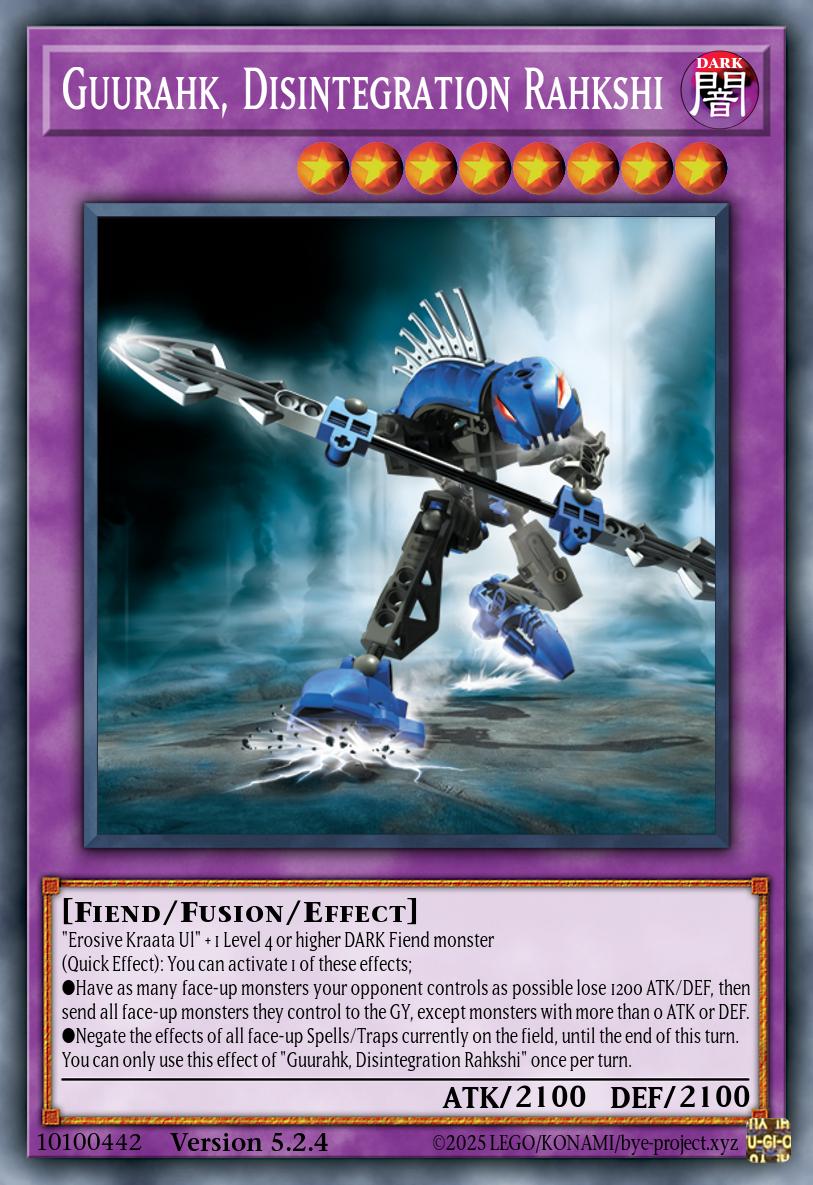
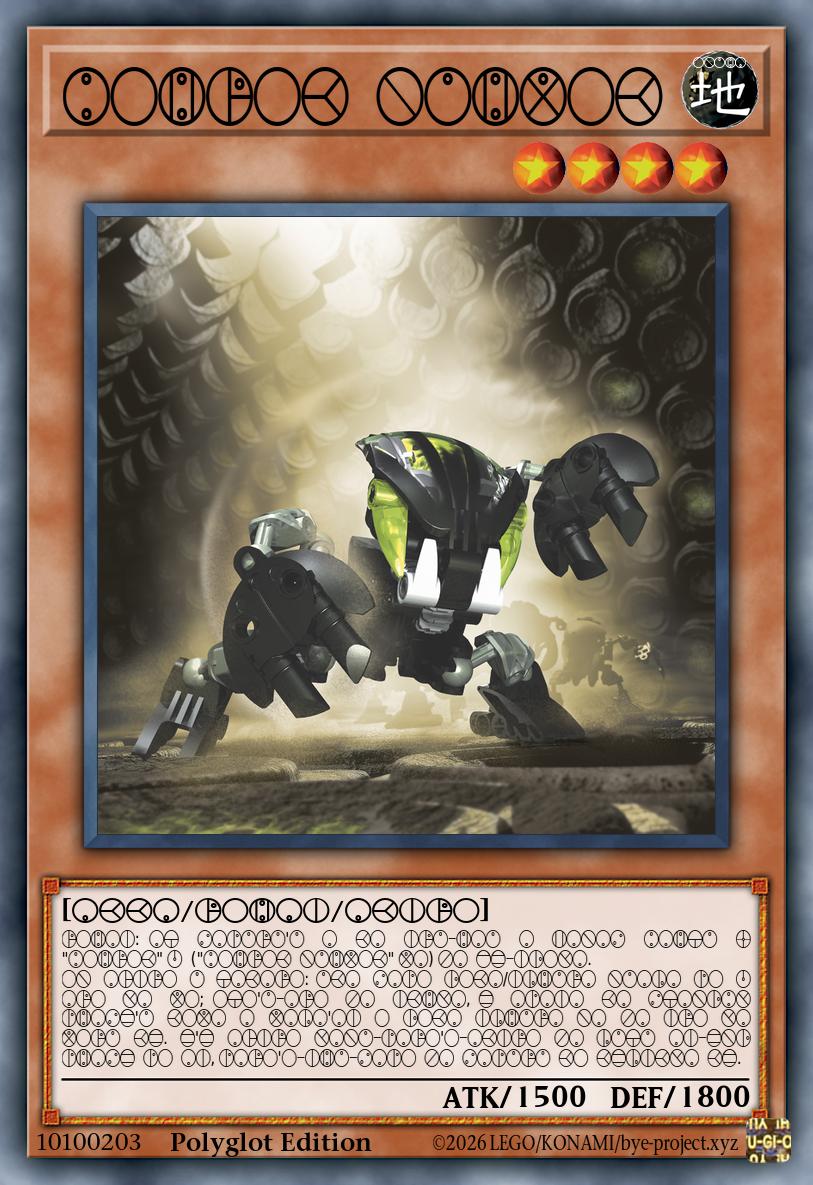
Guurahk, Disintegration Rahkshi
Fusion Effect MonsterLevel 8 | DARK Fiend | ATK 2100 / DEF 2100“Erosive Kraata Ul” + 1 Level 4 or higher DARK Fiend monster
(Quick Effect): You can activate 1 of these effects;
●Have as many face-up monsters your opponent controls as possible lose 1200 ATK/DEF, then send all face-up monsters they control to the GY, except monsters with more than 0 ATK or DEF.
●Negate the effects of all face-up Spells/Traps currently on the field, until the end of this turn.
You can only use this effect of “Guurahk, Disintegration Rahkshi” once per turn.
The boss mode of the Kraata Ul is Guurahk, whose powers of disintegration manifest in two modes: Either by reducing the stats of your opponent’s monsters bit by bit until they hit 0 and fade away, or by withering all face-up Spells/Traps on the field into a non-functional (that is to say negated) state. Both are Quick Effects, which means this is a significant piece of disruption for the upgraded end board. I kind of feel like it should also do something else, but due to the wording for the monster disintegration effect being a bit elaborate (entirely the fault of Link Monsters not having DEF, by the way) and the modularity demanding bullet points, it’s a bit hard to fit in other things.
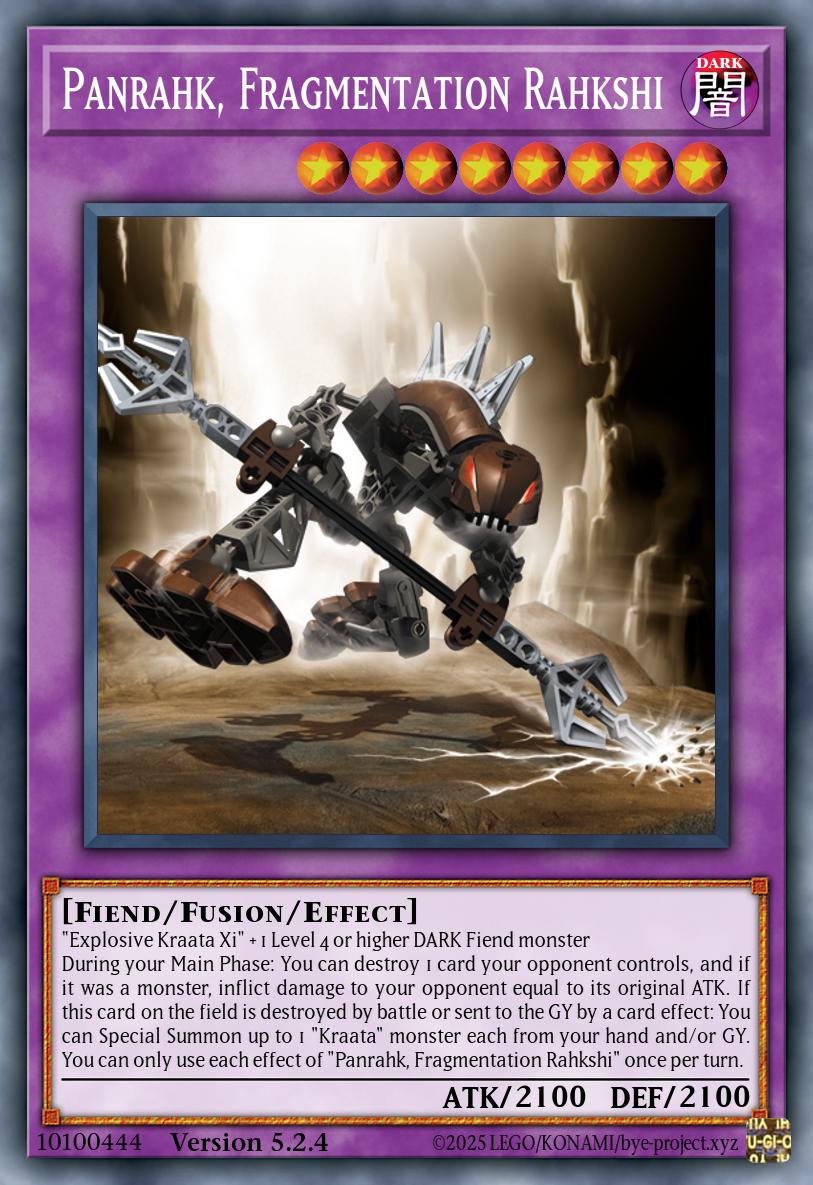
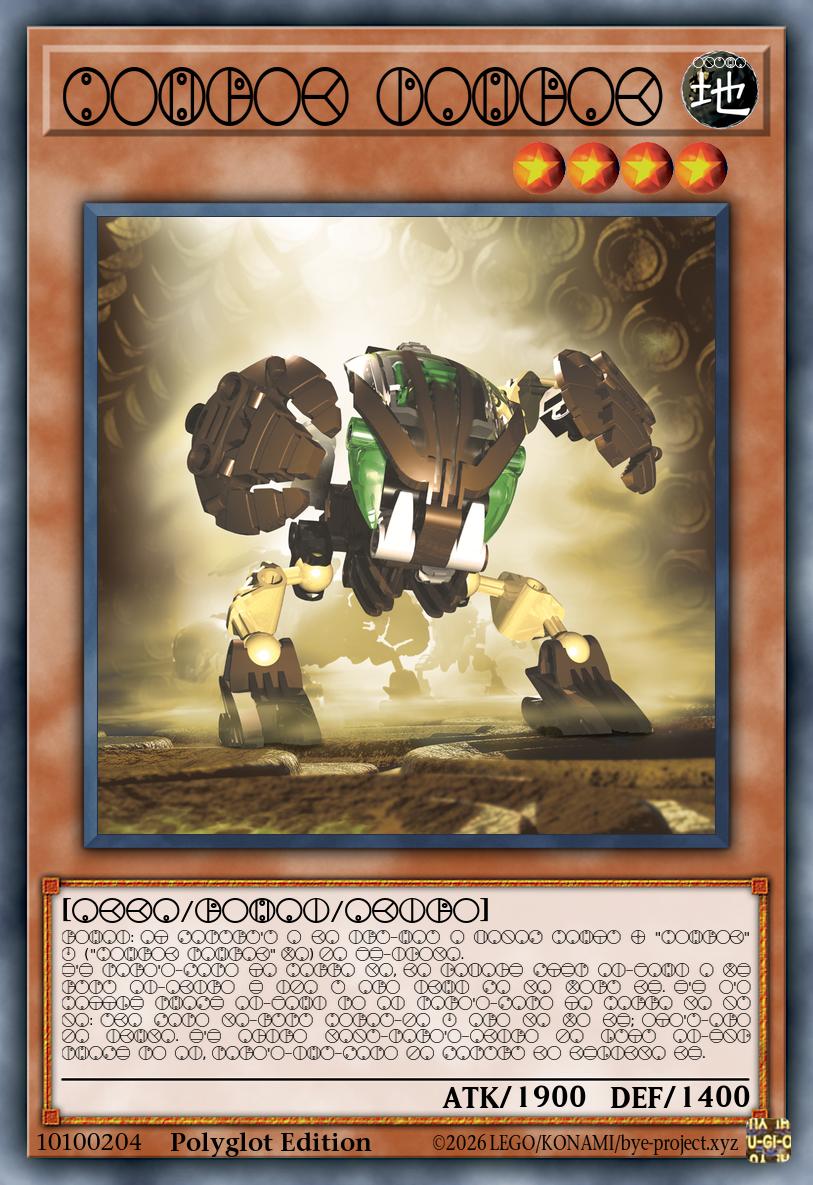
Panrahk, Fragmentation Rahkshi
Fusion Effect MonsterLevel 8 | DARK Fiend | ATK 2100 / DEF 2100“Explosive Kraata Xi” + 1 Level 4 or higher DARK Fiend monster
During your Main Phase: You can destroy 1 card your opponent controls, and if it was a monster, inflict damage to your opponent equal to its original ATK. If this card on the field is destroyed by battle or sent to the GY by a card effect: You can Special Summon up to 1 “Kraata” monster each from your hand and/or GY. You can only use each effect of “Panrahk, Fragmentation Rahkshi” once per turn.
Panrahk runs with the Kraata Xi tradition of making things go kaboom, in this case with simple non-targeting destruction accompanied by some burn damage. And if removed (or used as fusion material, for that matter), it floats into “fragments” in the form of individual Kraata – which can make for a decent defense considering they’re all indestructible by battle. Combined, these make it an effective way to threaten boards with a “negate and destroy” effect on them, since even if stopped it will re-establish your own setup to some extent.
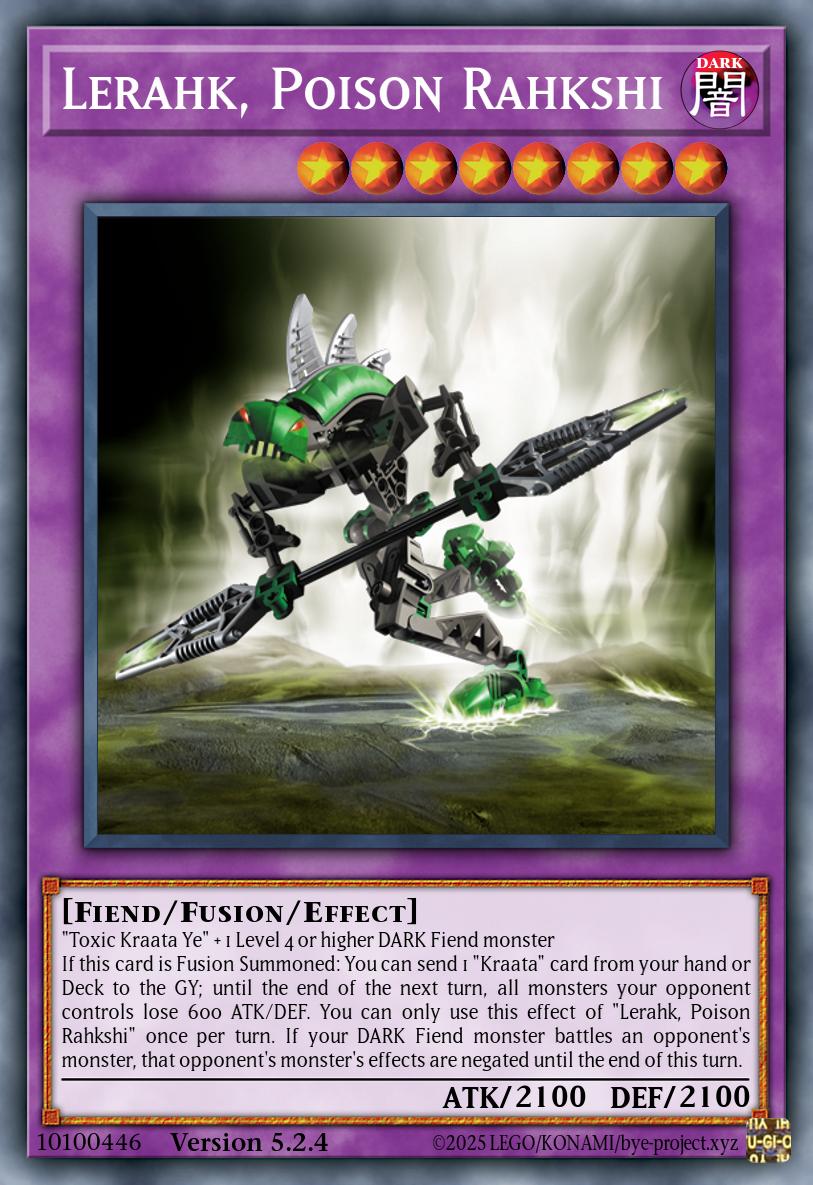
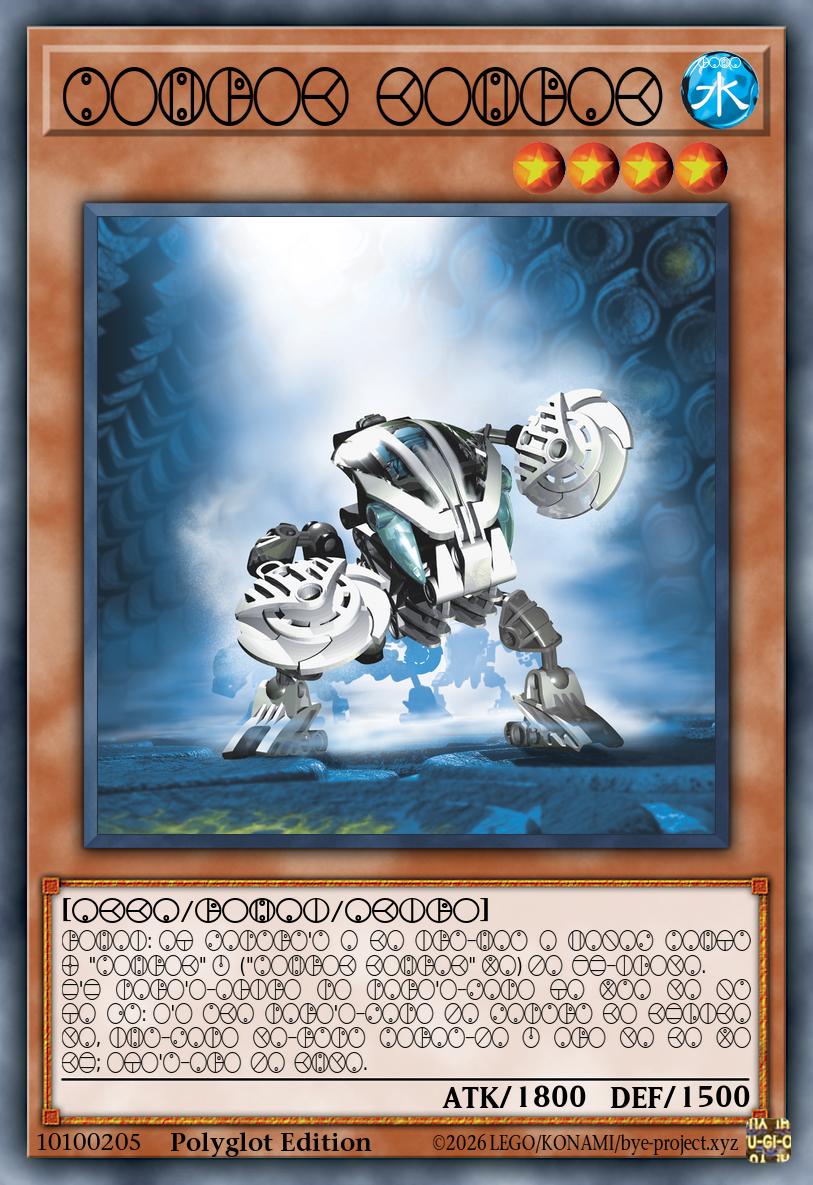
Lerahk, Poison Rahkshi
Fusion Effect MonsterLevel 8 | DARK Fiend | ATK 2100 / DEF 2100“Toxic Kraata Ye” + 1 Level 4 or higher DARK Fiend monster
If this card is Fusion Summoned: You can send 1 “Kraata” card from your hand or Deck to the GY; until the end of the next turn, all monsters your opponent controls lose 600 ATK/DEF. You can only use this effect of “Lerahk, Poison Rahkshi” once per turn. If your DARK Fiend monster battles an opponent’s monster, that opponent’s monster’s effects are negated until the end of this turn.
Finally, the newcomer Kraata Ye turns into Lerahk, a Rahkshi whose poisonous fumes spread a lingering 600 ATK/DEF reduction on Fusion Summon. To do so, it sends a Kraata card from hand or Deck to the GY as cost (such as the Field Spell to revive a monster), which is the primary point of the effect and deliberately structured this way because I wanted at least one thing here that’s “toxic” in that sense. But the incidental debuff also makes for a good combo with your Kraata and sinks the field just that much closer to the threshold for total devastation by Guurahk. As a secondary ability, this one does have the ScareKash style of battle-based negation that I didn’t end up using on the Kraata, so that the strategy has access to the unique advantages of that in some form. Just be wary of its mechanical quirks – the negation actually only lasts while Lerahk stays around and face-up, and while it should technically negate Linkuriboh, the timing doesn’t currently work out right in the EDOPro implementation.
There are some things to note about the design of the Rahkshi in general. Firstly, the fact that they are Fusion Monsters at all (and Level 8) is meant to mirror the Toa Nuva. The choice of the shared second material, “1 Level 4 or higher DARK Fiend monster”, serves a few different use cases:
- The canon one, where you fuse a Kraata with the Rahkshi Armor, which just so happens to be exactly a Level 4 DARK Fiend.
- Using a Rahkshi as material for another one; having this option allows effects that fuse by shuffling back materials to work as a fully realized recycling engine, so that’s great.
- Directly fusing sufficiently Level-boosted Kraata without needing to go through Armor, essentially serving as another payoff for that minor gimmick.
- Compatibility with a wide variety of Fiendslop, first and foremost Edge Imp Chain, a Level 4 DARK Fiend that can be searched together with Polymerization.
An interesting lore detail is that the stage of the Kraata piloting a Rahkshi does not actually impact the strength of its unique power, instead only boosting its physical abilities. Due to that, the Level-based ATK measuring the Kraata did is completely absent from the Rahkshi, and the only benefit of using a higher-Level Kraata comes from Armor’s Fusion effect specifically giving a buff of 100 ATK per Level of materials used. That means a “Stage 1” Rahkshi made with that method will have 2600 ATK (2100 + 4*100 from Armor + 1*100 from the Kraata), while a “Stage 5” has 3000 – just enough to overpower the Toa Nuva, which is also where a lot of the power descriptions of Stage 5 Kraata place them. Mission successful.
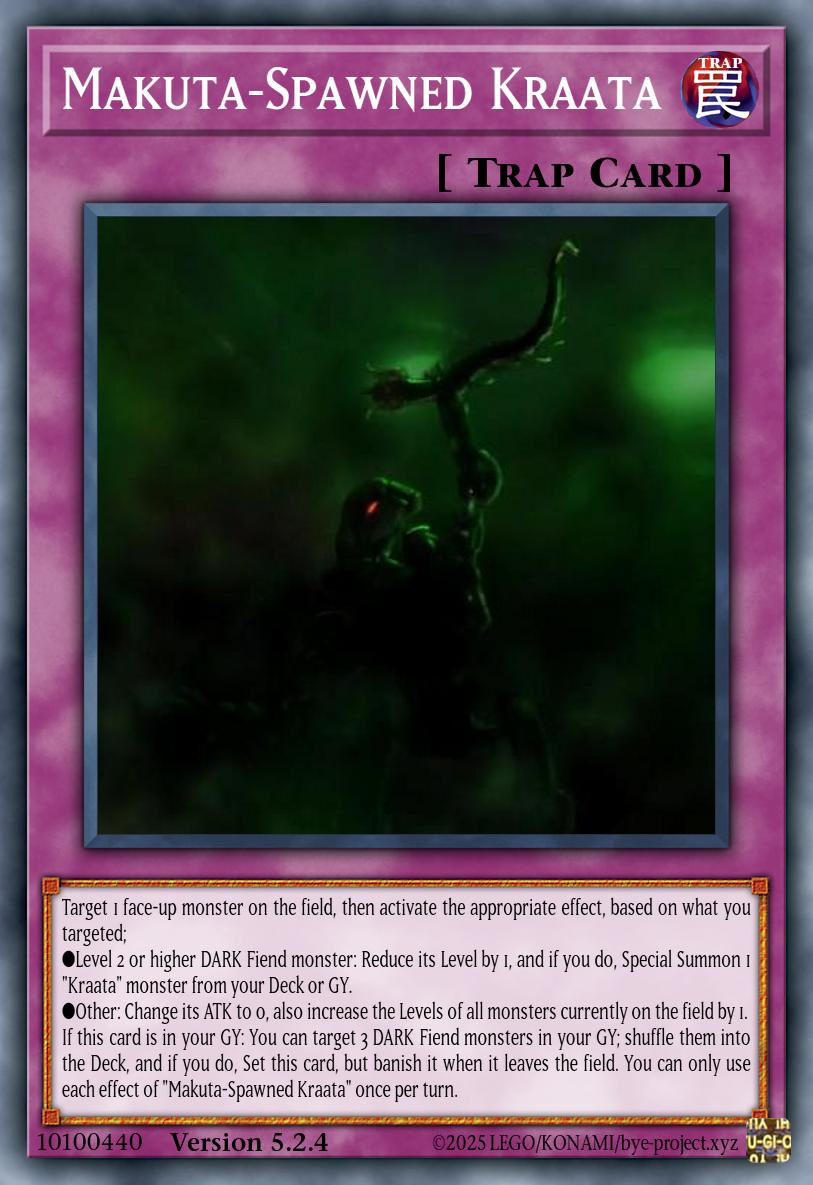
Makuta-Spawned Kraata
TrapTarget 1 face-up monster on the field, then activate the appropriate effect, based on what you targeted;
●Level 2 or higher DARK Fiend monster: Reduce its Level by 1, and if you do, Special Summon 1 “Kraata” monster from your Deck or GY.
●Other: Change its ATK to 0, also increase the Levels of all monsters currently on the field by 1.
If this card is in your GY: You can target 3 DARK Fiend monsters in your GY; shuffle them into the Deck, and if you do, Set this card, but banish it when it leaves the field. You can only use each effect of “Makuta-Spawned Kraata” once per turn.
The last new card for the Kraata is a Trap depicting their origins, ripped directly from the Makuta’s own substance. When activated, Makuta-Spawned Kraata targets a face-up monster and performs some creative “redistribution”. If the target is a DARK Fiend that can spare a Level, it will go down by 1 and spit out a Kraata from your Deck or GY; otherwise, its ATK will go to 0 (removing all resistance to Kraata) and instead everything on the field gets bumped up by 1 Level. Originally I was planning to have the former case work only when targeting “Makuta” monsters, but that would result in it basically being impossible with the current card pool, and even with the Makuta-related plans for BMOL it would end up difficult to use at best.
In addition to the main ability to extend your plays and/or slightly inconvenience your opponent, the card also comes with a GY effect, as all Makuta Spells/Traps are supposed to. Specifically, it represents one of the more obscure Kraata powers: Quick Healing, here restoring your resources in order to set the Trap itself once again. Thematically I would have wanted to include some LP gain too, so you have more room to tank things with your 0/0 Kraata, but the text was already getting a bit too long.
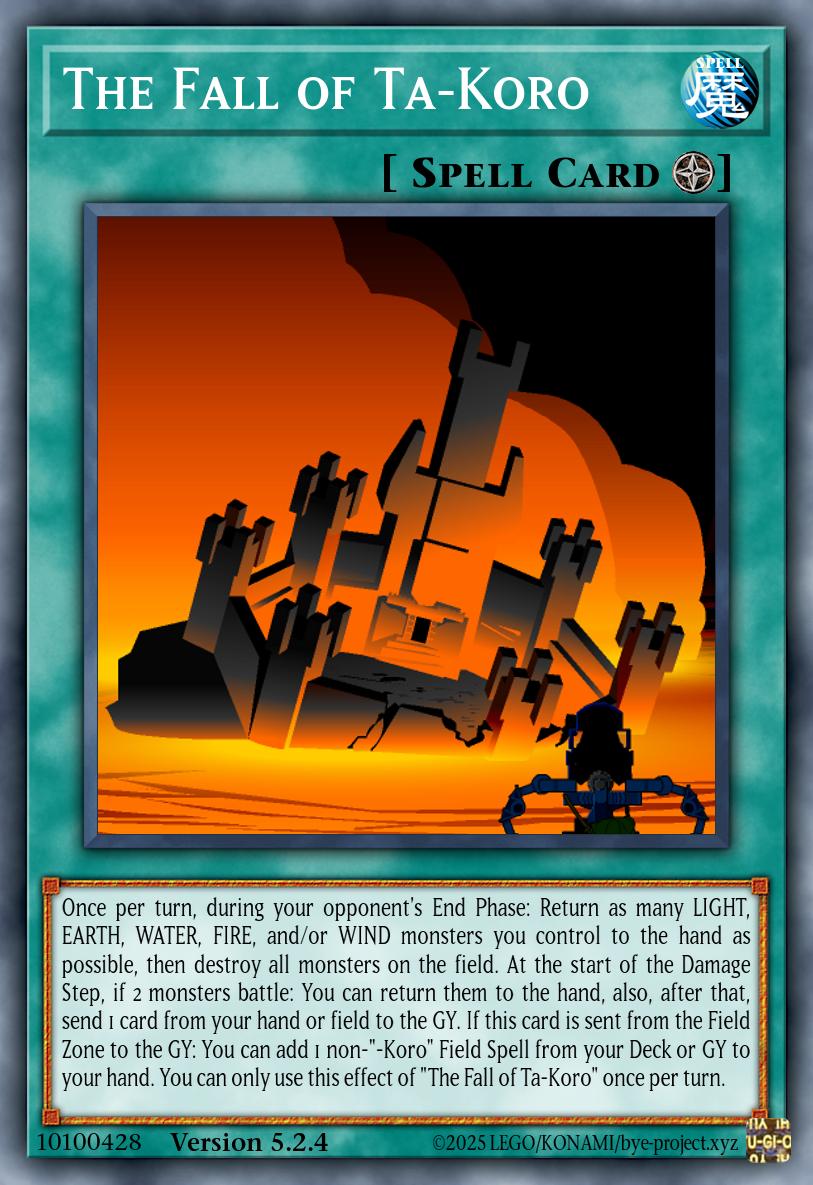
The Fall of Ta-Koro
Field SpellOnce per turn, during your opponent’s End Phase: Return as many LIGHT, EARTH, WATER, FIRE, and/or WIND monsters you control to the hand as possible, then destroy all monsters on the field. At the start of the Damage Step, if 2 monsters battle: You can return them to the hand, also, after that, send 1 card from your hand or field to the GY. If this card is sent from the Field Zone to the GY: You can add 1 non-“-Koro” Field Spell from your Deck or GY to your hand. You can only use this effect of “The Fall of Ta-Koro” once per turn.
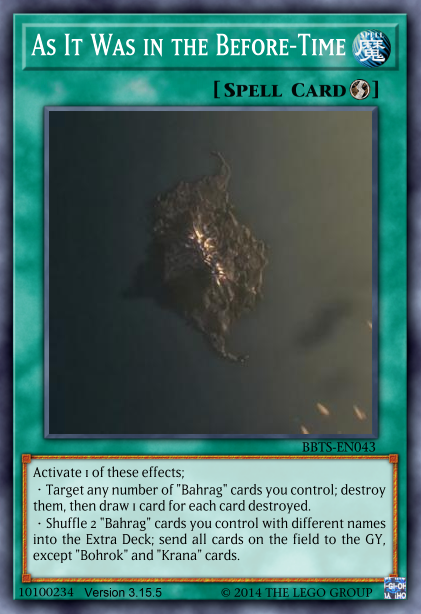
Not part of the focus archetype, but still sneaking in here to depict the immediate result of their coming: The Fall of Ta-Koro, a Field Spell … technically. The punchline with this one is that it’s engineered to mention every Attribute except DARK, so Mata Nui can search it by revealing almost anything in your hand. Its other effects are somewhat decorative – a very clunky board wipe that takes until your opponent’s End Phase (and requires evacuating your monsters first), a battle-aborting ability structured as “reverse Ta-Koro “, and a Field Spell search representing the eventual move to a new home beyond the villages of Mata Nui.
I haven’t done any serious testing with this so far, as the real use cases for it have yet to be implemented. For now, consider it a small hint of things to come.
Updated
In this section, there’s one “on-topic” change, and a few coming seemingly out of nowhere as a result of other recent activities.
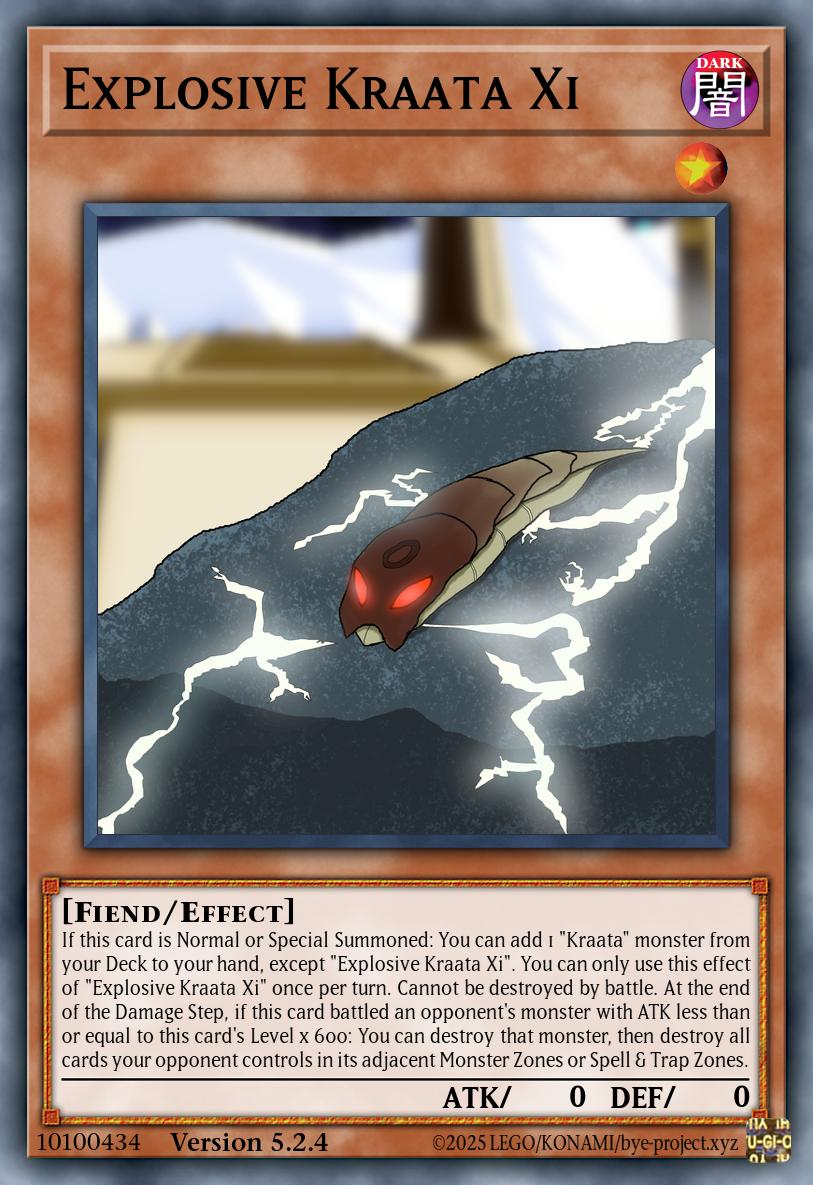
Explosive Kraata Xi
Effect MonsterLevel 1 | DARK Fiend | ATK 0 / DEF 0If this card is Normal or Special Summoned: You can add 1 “Kraata” monster from your Deck to your hand, except “Explosive Kraata Xi”. You can only use this effect of “Explosive Kraata Xi” once per turn. Cannot be destroyed by battle. At the end of the Damage Step, if this card battled an opponent’s monster with ATK less than or equal to this card’s Level x 600: You can destroy that monster, then destroy all cards your opponent controls in its adjacent Monster Zones or Spell & Trap Zones.
The former is simply that the Kraata Xi no longer has the clause to Level up itself for each use of its power – while flavorful, it introduced a real headache of that being the only self-inflicted Level increase in the archetype, meaning it and only it goes away when the Kraata’s effect is negated! So a Xi with a +1 from Stasis Breach, a +1 from Ye, and a +1 from itself will, upon negation, go from Level 4 to specifically Level 3, because that’s just how the traditional rulings go. I first tried to work around this by changing the wording to “increase the Level of 1 “Kraata” monster you control”, but the selection process proved to be really annoying in gameplay, so it ended up thrown out altogether.
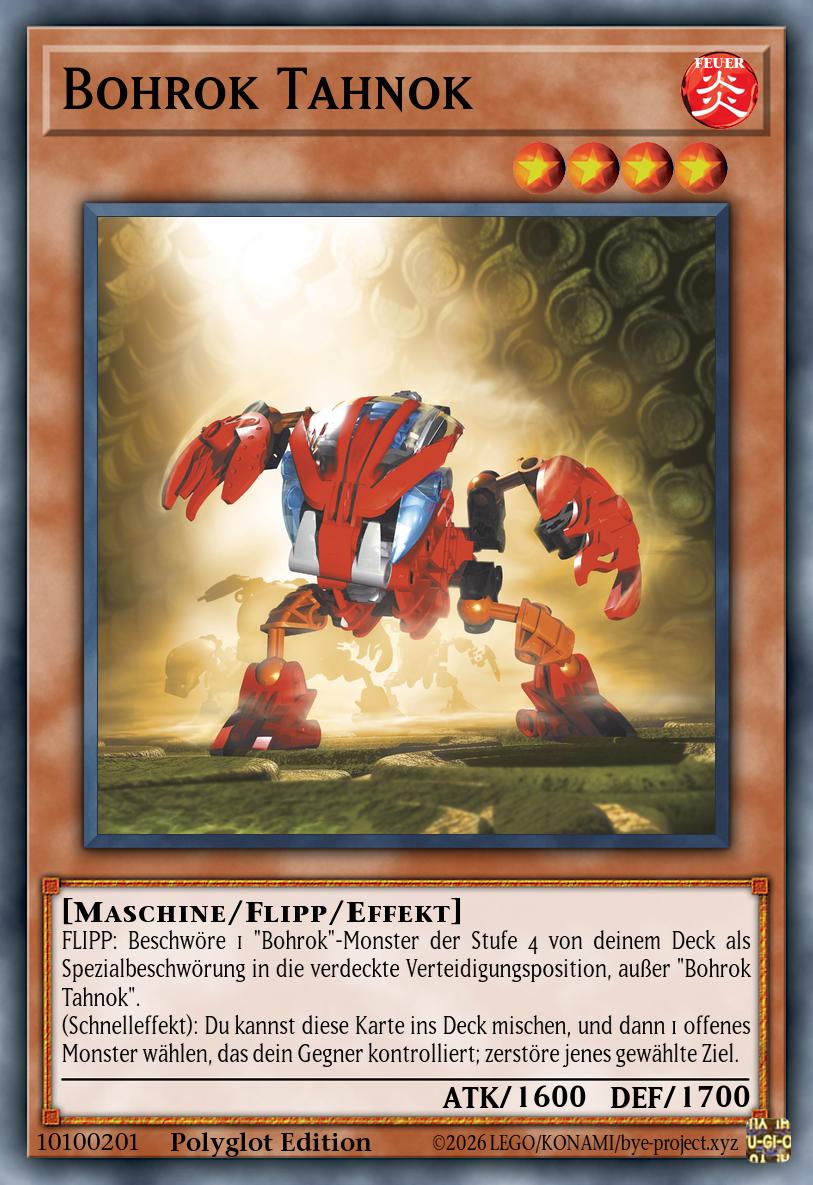
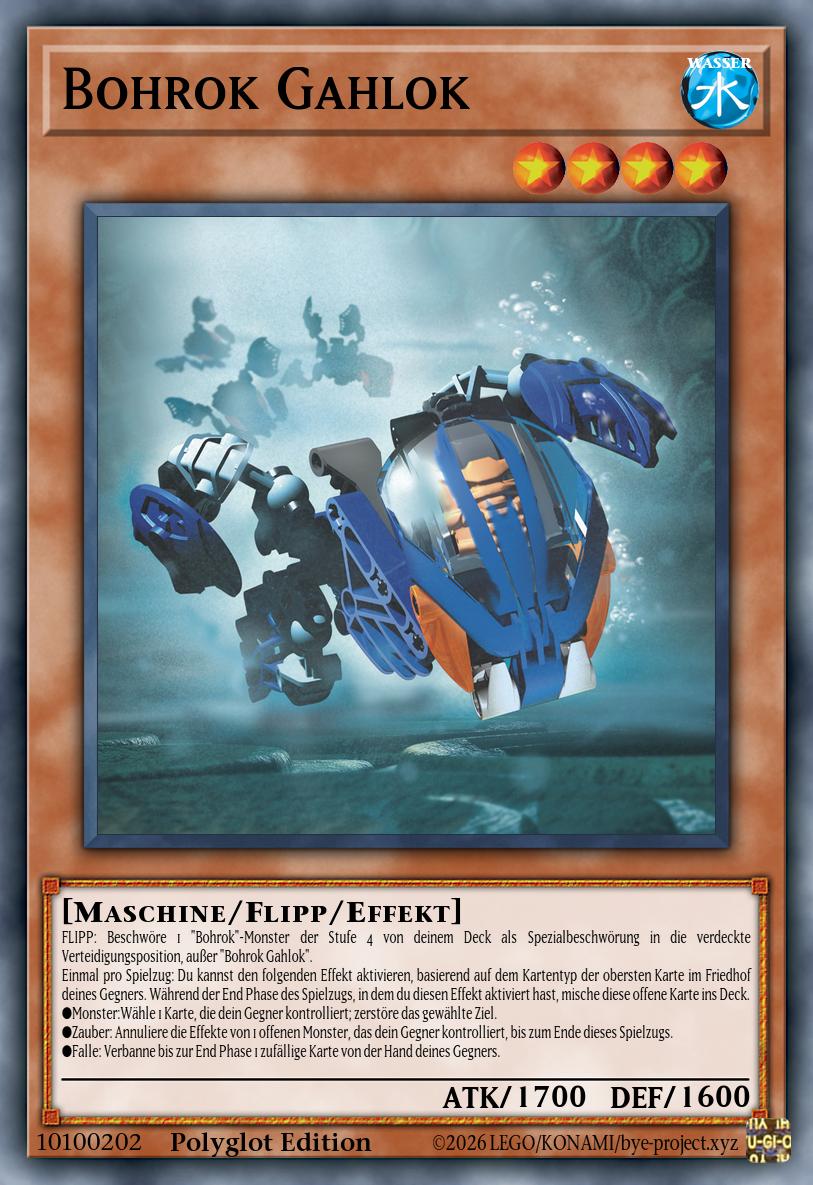
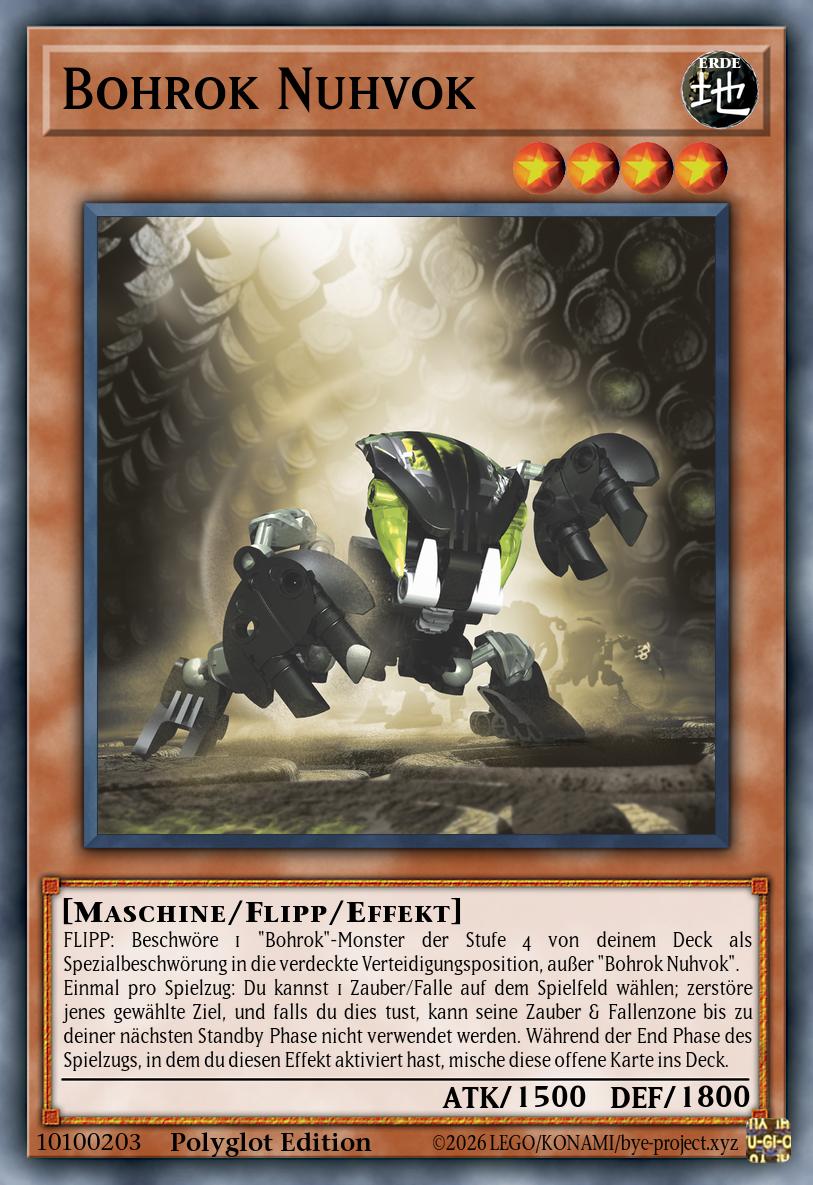
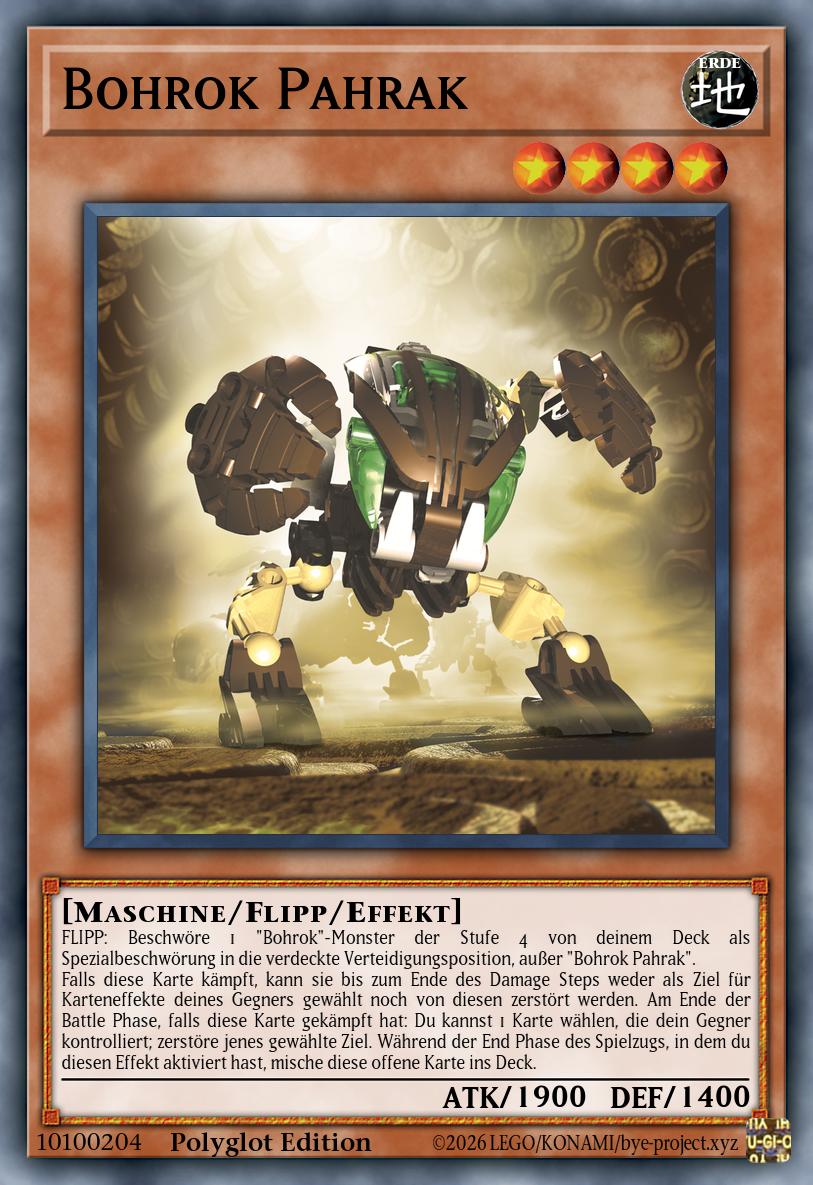
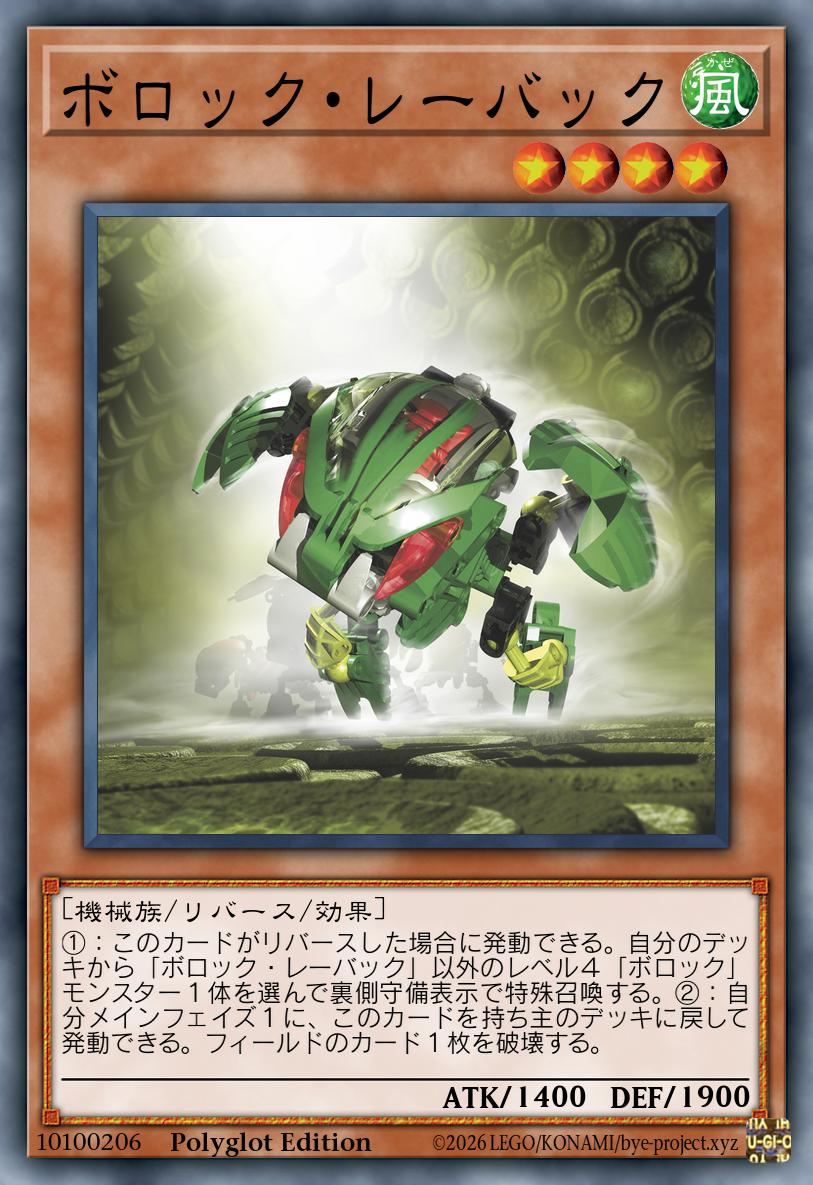
The other category of updates come from the “little” side project of making a Toa vs Bohrok Dungeon Duel Monsters campaign, which provided a unique opportunity to test putting those two decks together in a relatively isolated environment. That process highlighted certain cards that, be it due to outdated design approaches or just plain flawed balancing from my past self, just never feel good to play even in the most basic of builds.
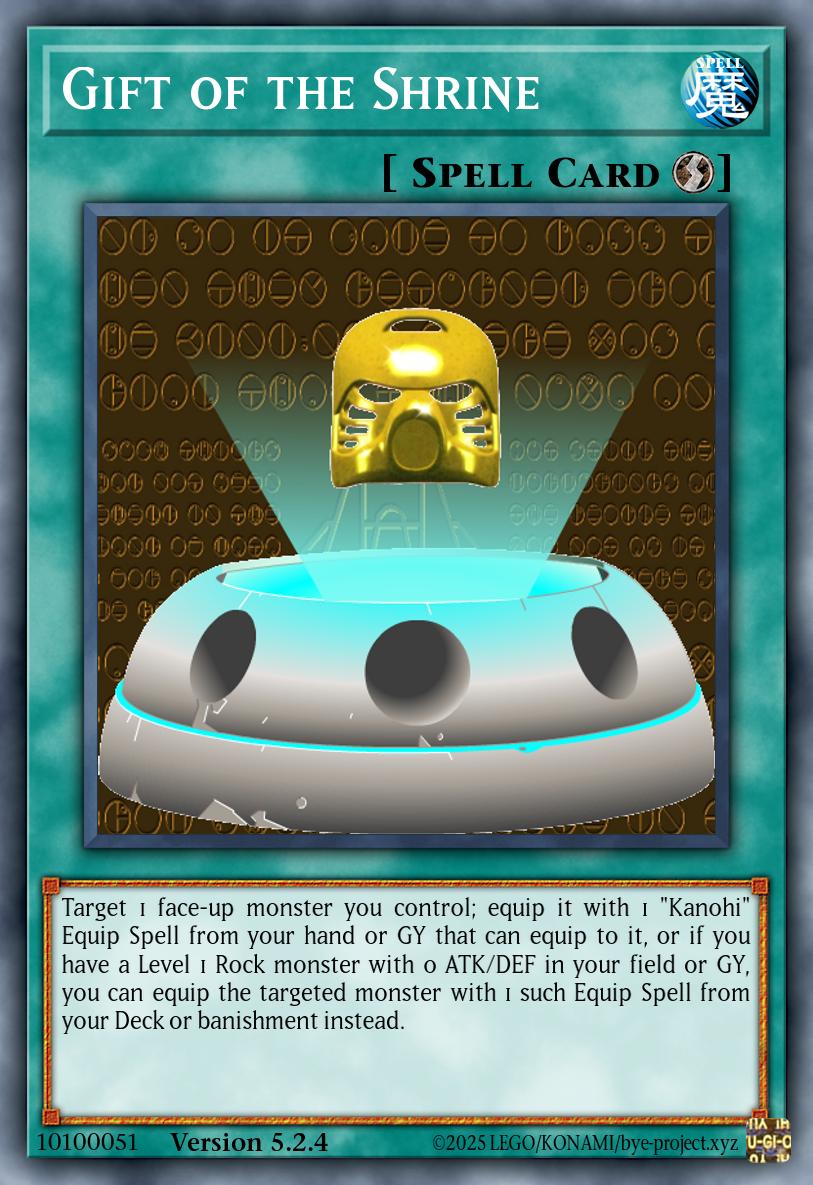
Gift of the Shrine
Quick-Play SpellTarget 1 face-up monster you control; equip it with 1 “Kanohi” Equip Spell from your hand or GY that can equip to it, or if you have a Level 1 Rock monster with 0 ATK/DEF in your field or GY, you can equip the targeted monster with 1 such Equip Spell from your Deck or banishment instead.
On the Toa side, that applies to Gift of the Shrine, a Quick-Play Spell that … equips a Kanohi. Which the Suva , a central piece of your strategy, already does as much as you want without spending a card on it. But wait – if you banish that crucial Suva, you can get one whole Kanohi from your Deck instead!
I believe the idea of this was to be a backup in case the shrine itself is incapacitated, or if you need to equip the same Kanohi twice in a turn, but in practice such niche cases do not justify running an unsearchable card that at best goes neutral in advantage even when it does come up. So I gave it a boost by making the effect to equip from the Deck accessible through the mere presence of a Suva-ish monster in your field or GY, letting you actually gain a resource in the form of a fresh Kanohi without needing to sacrifice anything else. It’s also no longer limited to Great and Noble Kanohi, because now that a Legendary Kanohi actually exists, I have come to the conclusion that letting you get those this way isn’t outrageously broken with how their design concept works.
Even upgraded, it’s still very debatable if this card is worth playing, but at least it doesn’t feel extremely gimped for no reason.
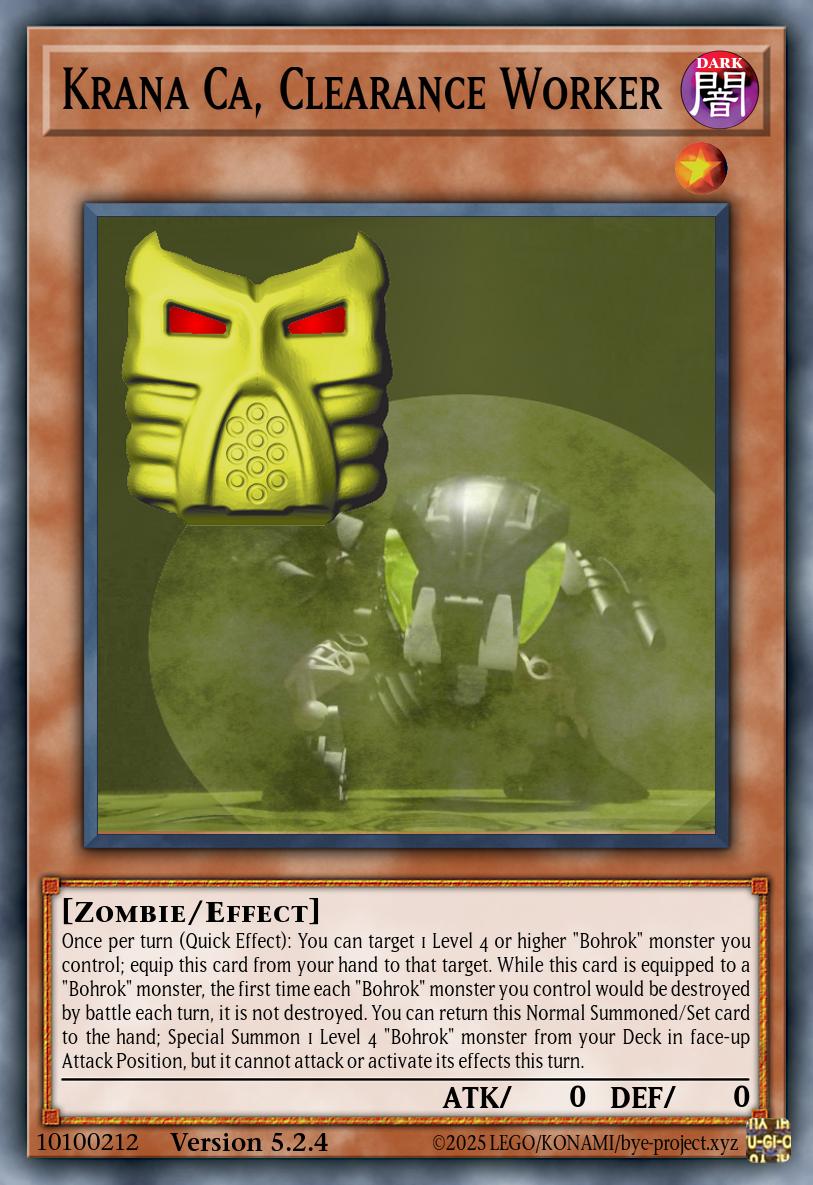
Krana Ca, Clearance Worker
Effect MonsterLevel 1 | DARK Zombie | ATK 0 / DEF 0Once per turn (Quick Effect): You can target 1 Level 4 or higher “Bohrok” monster you control; equip this card from your hand to that target. While this card is equipped to a “Bohrok” monster, the first time each “Bohrok” monster you control would be destroyed by battle each turn, it is not destroyed. You can return this Normal Summoned/Set card to the hand; Special Summon 1 Level 4 “Bohrok” monster from your Deck in face-up Attack Position, but it cannot attack or activate its effects this turn.
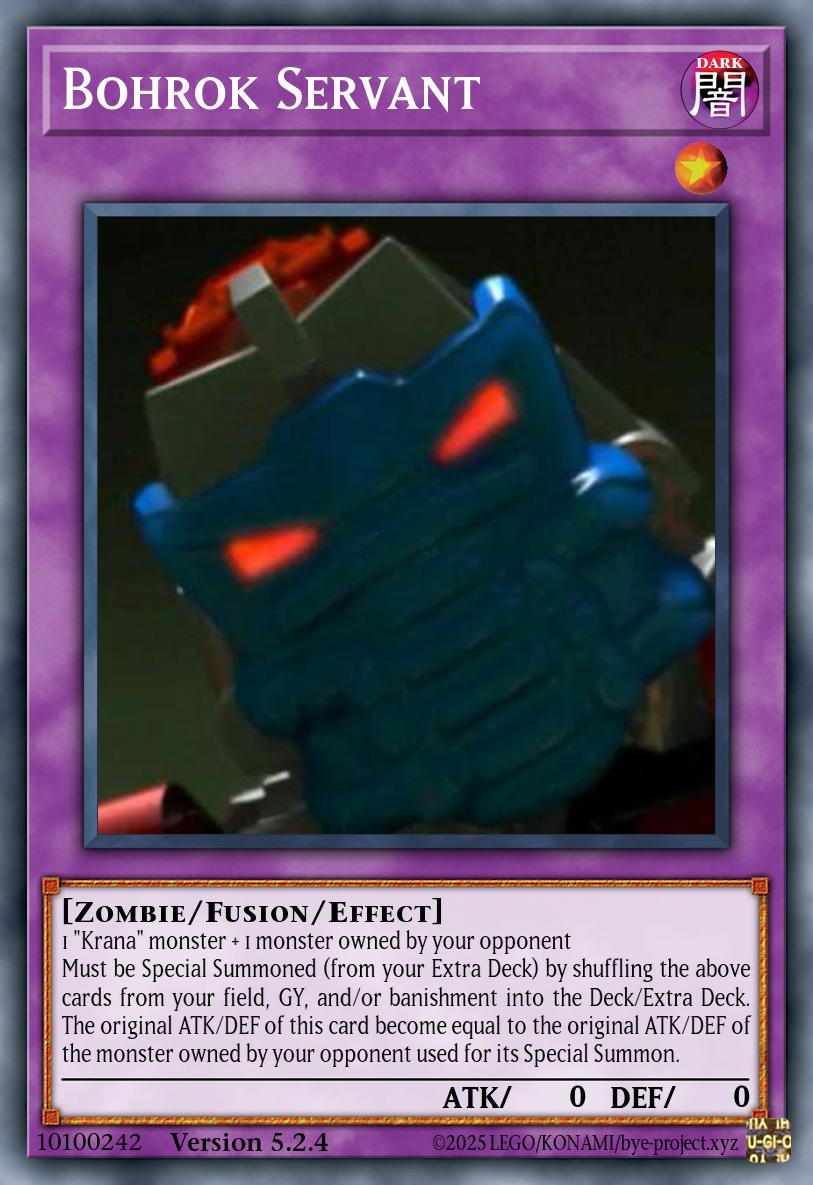
Bohrok Servant
Fusion Effect MonsterLevel 1 | DARK Zombie | ATK 0 / DEF 01 “Krana” monster + 1 monster owned by your opponent
Must be Special Summoned (from your Extra Deck) by shuffling the above cards from your field, GY, and/or banishment into the Deck/Extra Deck. The original ATK/DEF of this card become equal to the original ATK/DEF of the monster owned by your opponent used for its Special Summon.
On the Bohrok side, improvements have been made to the Krana Ca, which now rewards you with an instance of battle protection for each of your Bohrok when you actually manage to get it equipped to something, and to the Bohrok Servant, which now shuffles back its materials even from the banishment and can thus be made with the same Krana that was used to steal an opponent’s monster to begin with. Given that all it does is give you access to the stats of that monster without needing to wait a turn cycle and flip it yourself, this seems more than fair.
Strategy & Deck Options
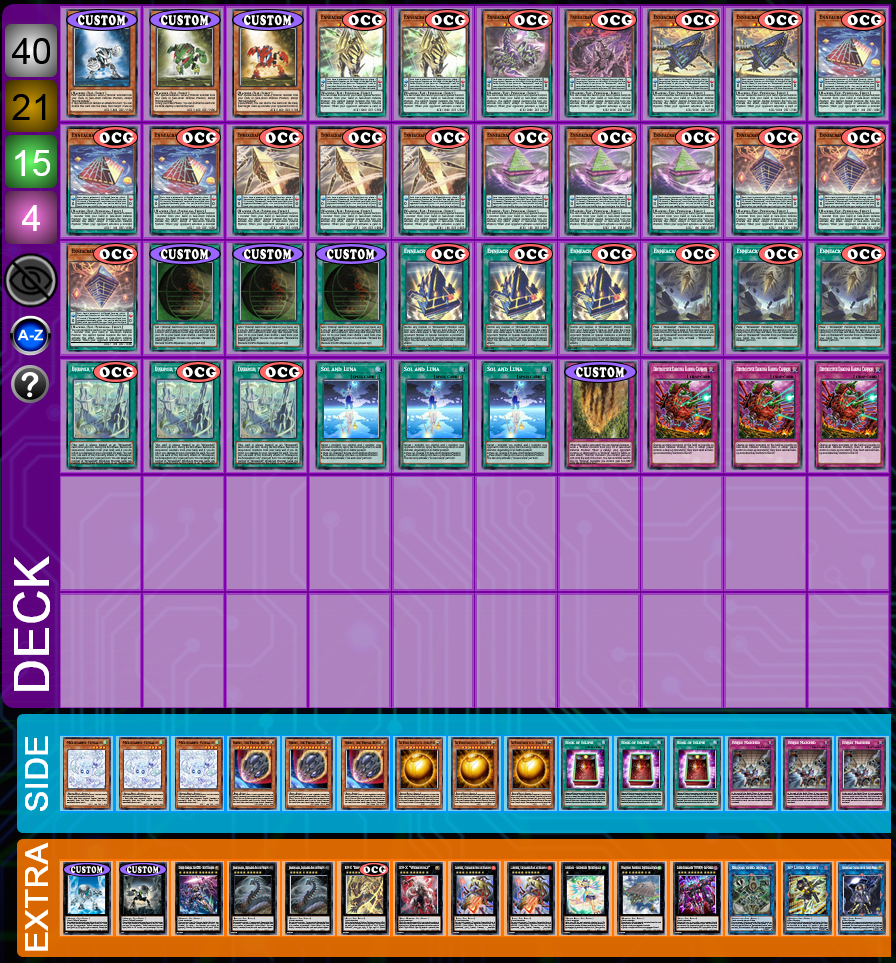
The core thing the Kraata cards now offer in isolation is a 1-card combo started by Xi that, if undisrupted, makes two Rahkshi – one of them being Lerahk since it’s required for setup, and the other usually Guurahk going first or Panrahk going second.
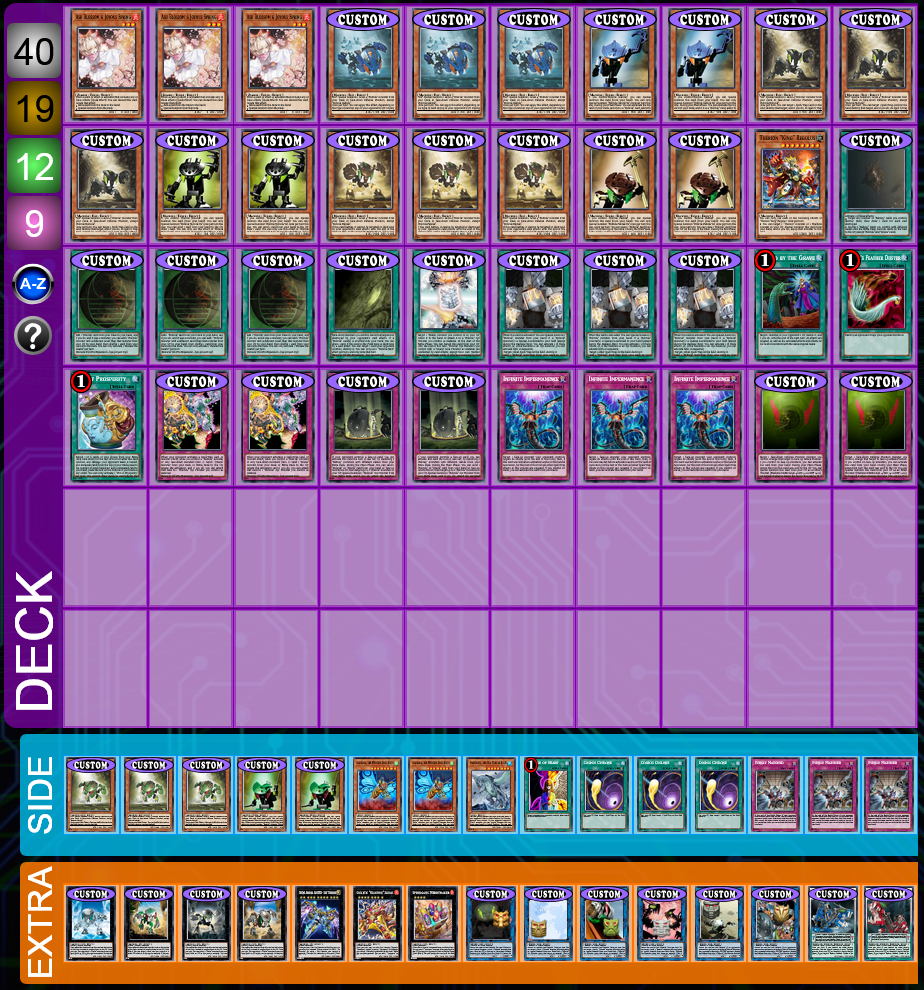
Assembling more powerful boards requires leaning into outside synergies. And so, the main deck I put together for this release is one that incorporates a bunch of DARK Fiend support, most notably the Mutiny in the Sky package to take advantage of the Fusion aspect introduced by the Rahkshi. It notably does not include Yubel since the way its battle gimmick works is a bit of a nombo with the Kraata (one wants to run into high ATK, the other wants to lower it), but probably could.
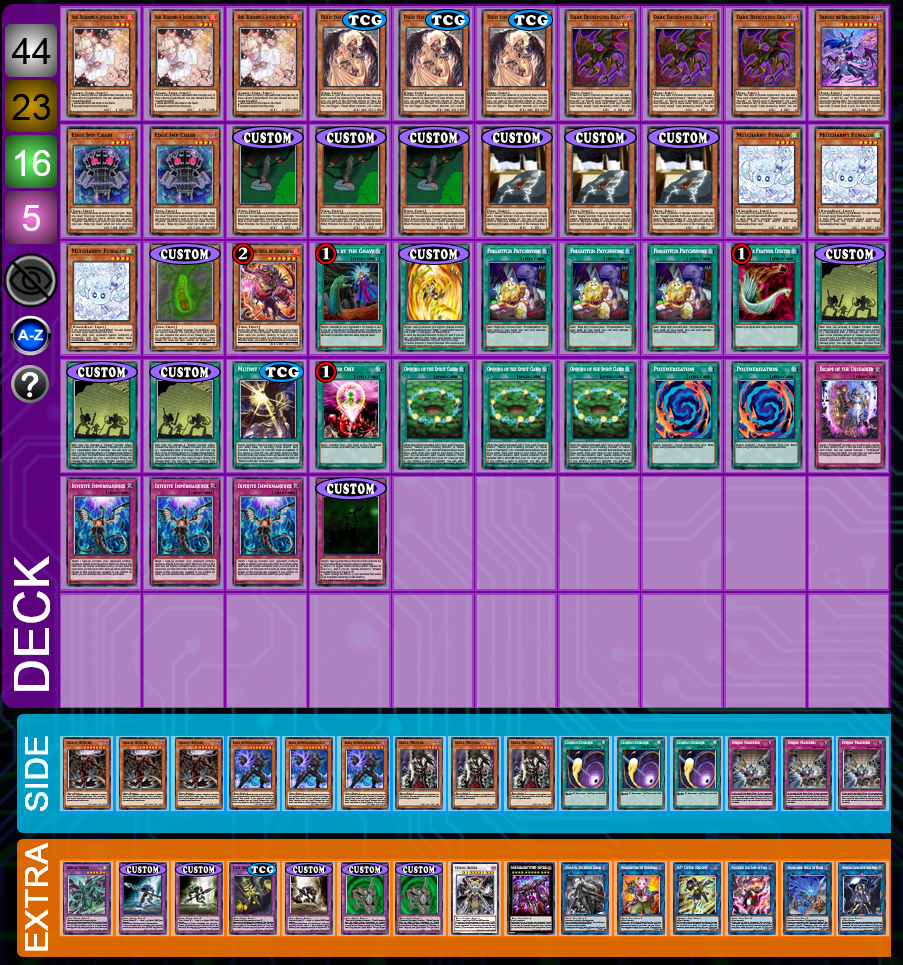
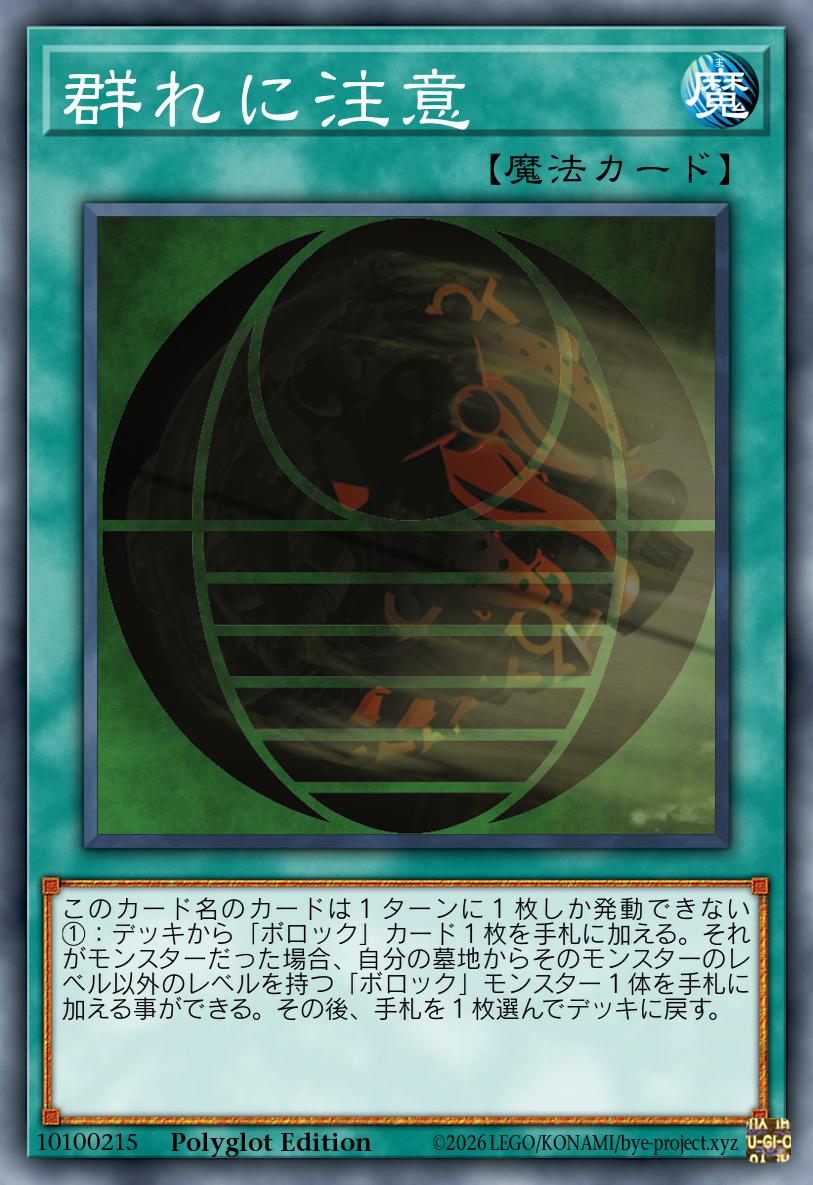
As already mentioned, Edge Imp Chain is a neat valid fusion material for Rahkshi since you can add it plus a copy of classic Poly from a single activation of Frightfur Patchwork. Other auxiliary engines we have here are Dark Beckoning Beast/Opening of the Spirit Gates as crazy support for 0/0 Fiends, and a small Unchained package as the best thing Fiends can do with extra bodies (Sharvara isn’t DARK, but can sneak on the field just before the Ul lock applies if you sequence it right!). The whole thing is rounded out by various things that pop up if you filter Level 4+ DARK Fiends, from Diabolica in the Main Deck to Chaos Hunter, Radian, and Skull Meister in the Side Deck. (Honestly one of those should probably trade places with Fuwalos, this isn’t really a deck that can make use of it going first.)
I also managed to squeeze in a single copy of Energized Protodermis Destiny to access that aspect of Rahkshi Armor … but at this concentration you could probably just swap it for Instant Fusion, which I keep forgetting is TCG legal.
A second thing I attempted purely out of curiosity and with some success is slotting a small Kraata package into Labrynth to access it with Makuta-Spawned Kraata, conveniently a Normal Trap. Behold, Labshi:
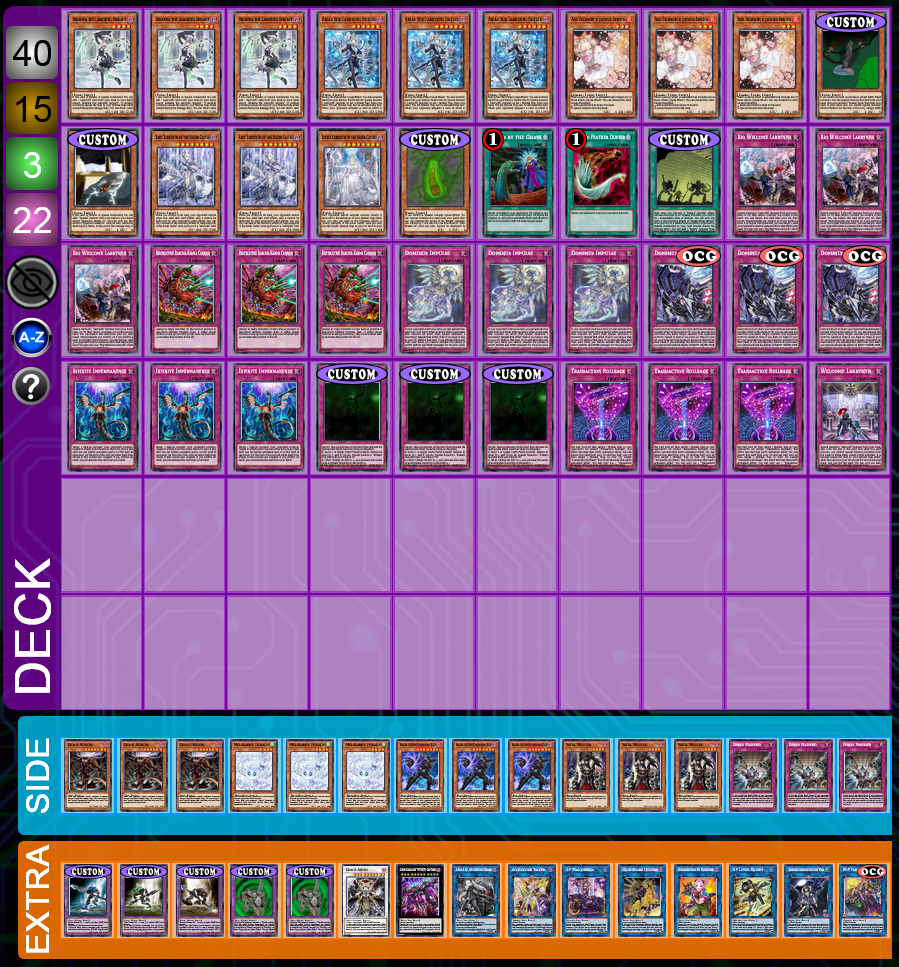
Bizarrely, this almost completely inverts the Main Deck ratios, with 1 of each Kraata and the Field Spell but 3 of the Trap. Ideally you draw it plus an Arianna you can Normal Summon, search Arias, set Spawned with Arias, drain Arianna to get Xi which gets Ul which gets Stasis which gets Ye, make some Rahkshi, and get the Spawned back with its own effect while recycling Kraata to repeat the process next turn.
It certainly works, and it’s certainly very questionable if it’s the best use of deck space. In this build, the Labrynth furniture was what got the short end of the stick, so Transaction Rollback for example becomes rather awkward with no way to discard it. Further improvements can be made here for sure – maybe around the time the second wave of Rahkshi hits?